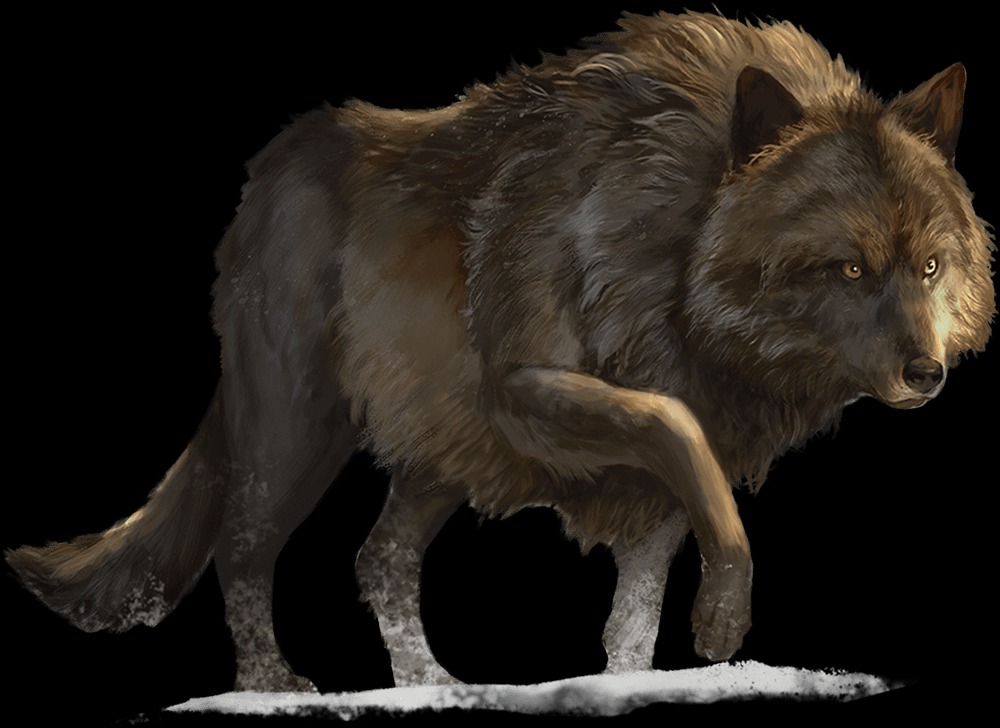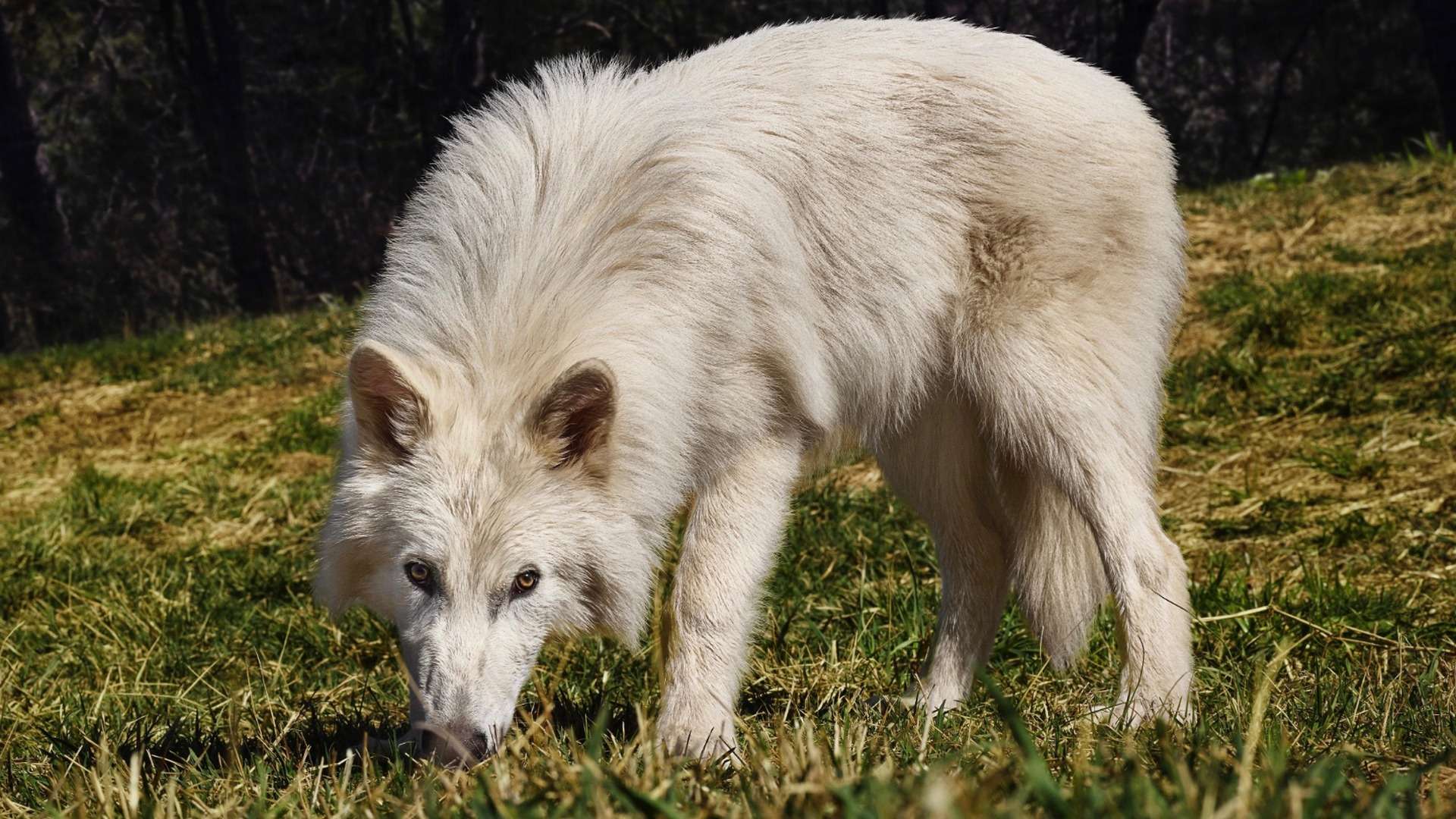

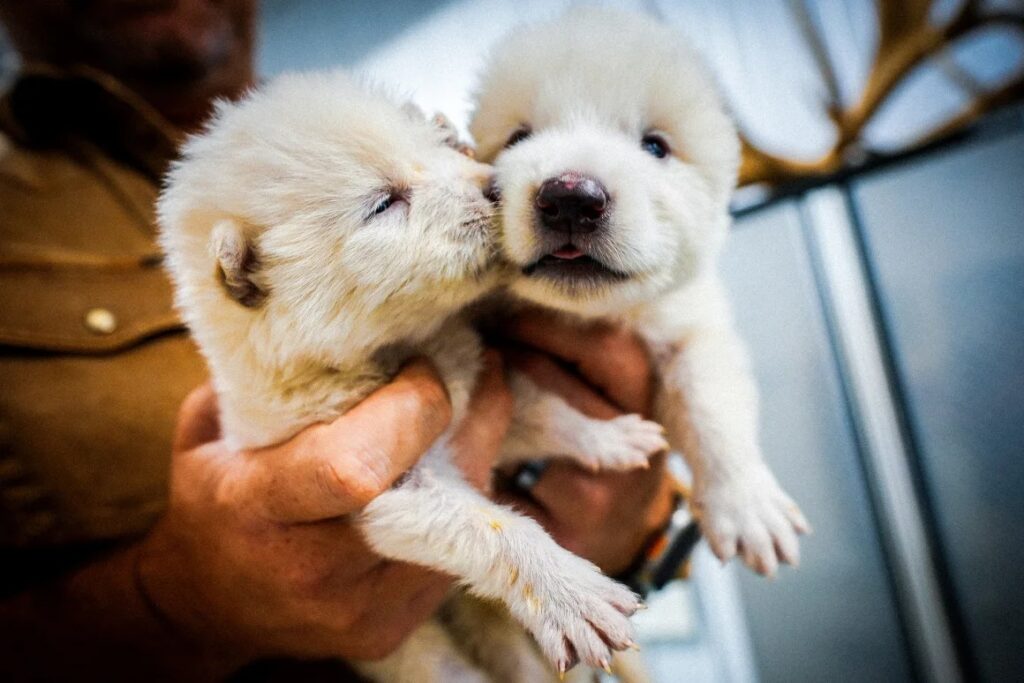
In a groundbreaking achievement, scientists have brought the dire wolf back to life after 12,500 years of extinction. Colossal Biosciences, a Dallas-based biotech company, announced the birth of three dire wolf pups—Romulus, Remus, and Khaleesi—through advanced gene-editing techniques.
The Science Behind the Revival
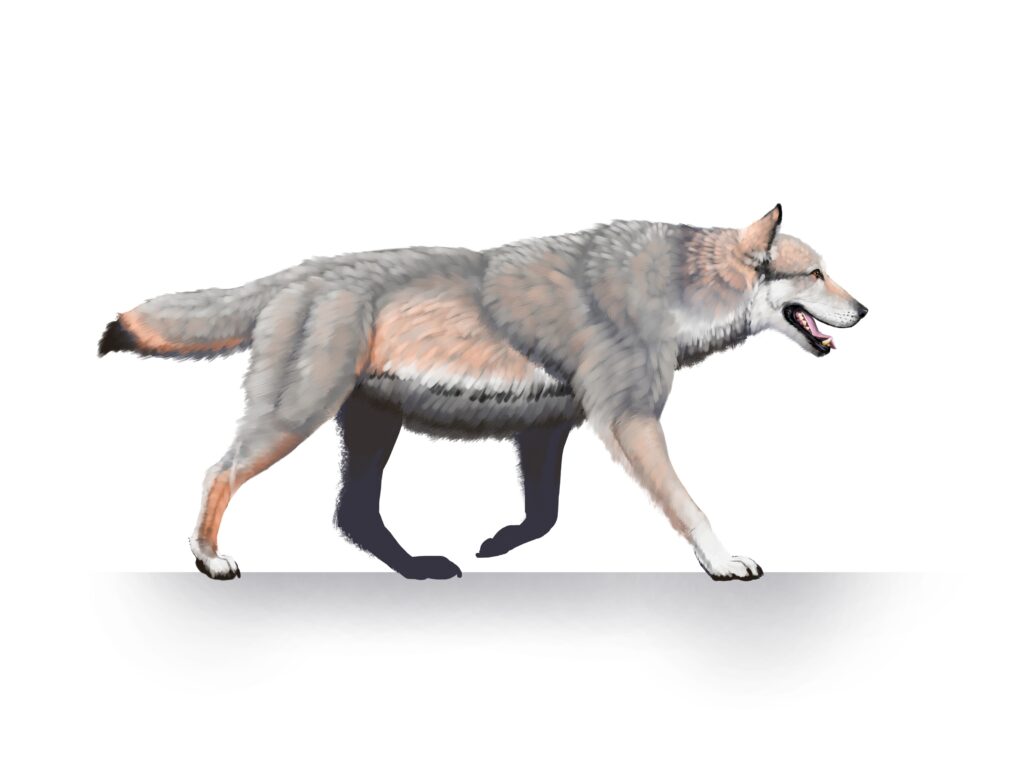
Utilizing DNA extracted from ancient fossils—a 13,000-year-old tooth and a 72,000-year-old skull—scientists reconstructed the dire wolf genome. They then edited the genes of gray wolves, the dire wolf’s closest living relatives, incorporating 14 specific genetic traits unique to dire wolves, such as their distinctive white coats and robust build. These edited cells were cloned and implanted into surrogates, resulting in the birth of the three pups.
Why Dire Wolves Are So Popular in Pop Culture
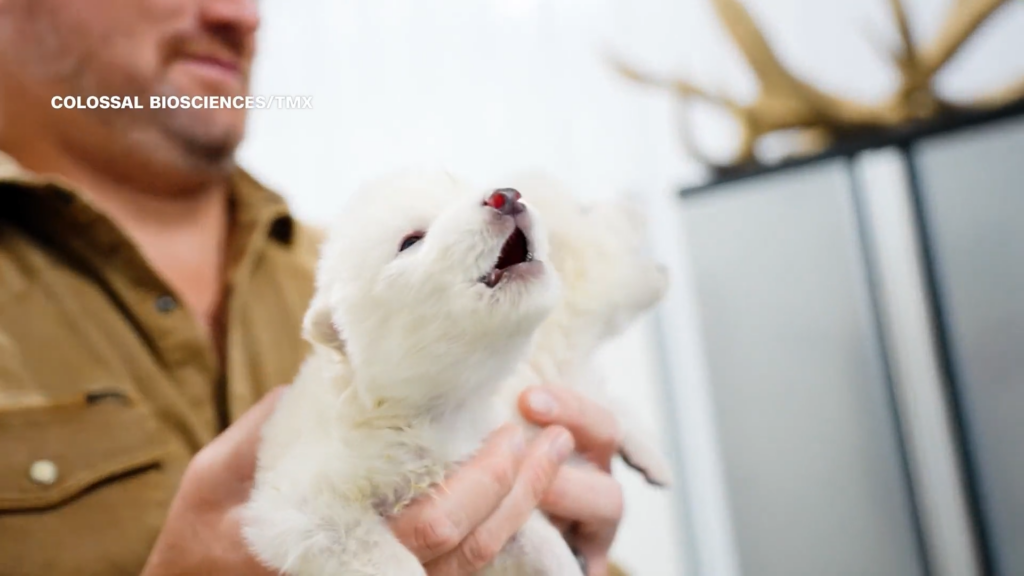
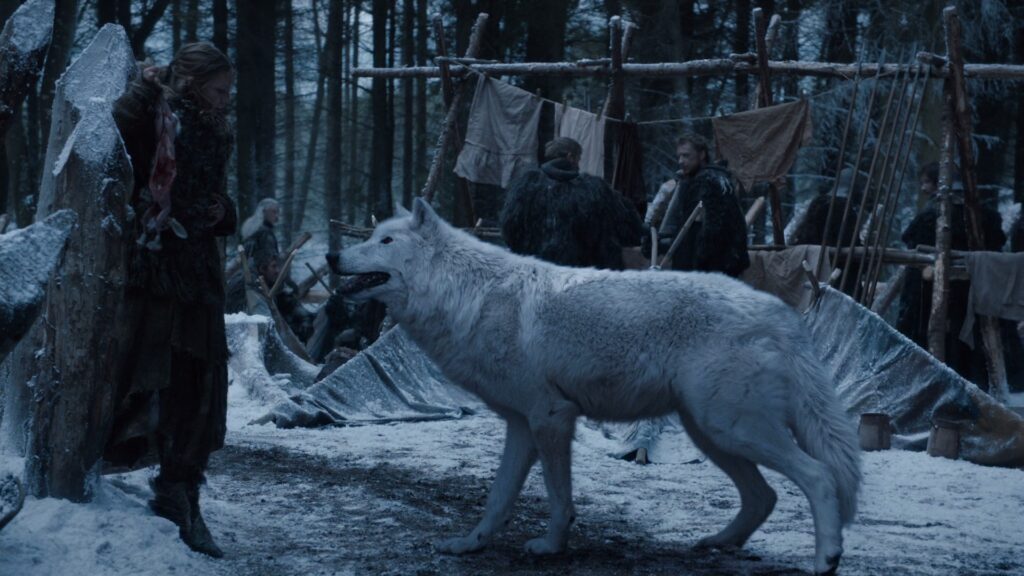
If the term “dire wolf” rings a bell, you’re probably thinking of “Game of Thrones.” These massive, intelligent wolves became iconic companions to the Stark children, turning the dire wolf into a symbol of loyalty, power, and survival. The show elevated this ancient predator into the cultural zeitgeist—forever linking its image to strength and mystique.
In the gaming world, dire wolves frequently appear as elite or legendary enemies—from World of Warcraft and Dungeons & Dragons to newer titles like ARK: Survival Evolved, where players can tame dire wolves as mounts. They’re often designed to be faster, stronger, and more fearsome than standard wolves, embodying the essence of a primal, mythical threat.
Ethical Considerations and Future Implications
While this achievement marks a significant milestone in de-extinction efforts, it also raises ethical questions. Critics argue that these animals are not exact replicas of their extinct counterparts but are instead genetically modified hybrids. Nonetheless, this development showcases the potential of biotechnology in conservation and biodiversity restoration.
Practical Applications and Conservation Efforts
Colossal Biosciences aims to apply this technology to other extinct species and bolster conservation efforts for endangered animals. By refining gene-editing techniques, scientists hope to reintroduce lost genetic diversity and strengthen ecosystems. However, the long-term ecological impacts of such reintroductions remain to be thoroughly studied.