

The European Union has introduced new guidelines that significantly impact the use of loot boxes and gacha mechanics in video games. These measures aim to enhance consumer protection, particularly for younger players, by promoting transparency and fairness in in-game purchases.

Key Changes in EU Regulations
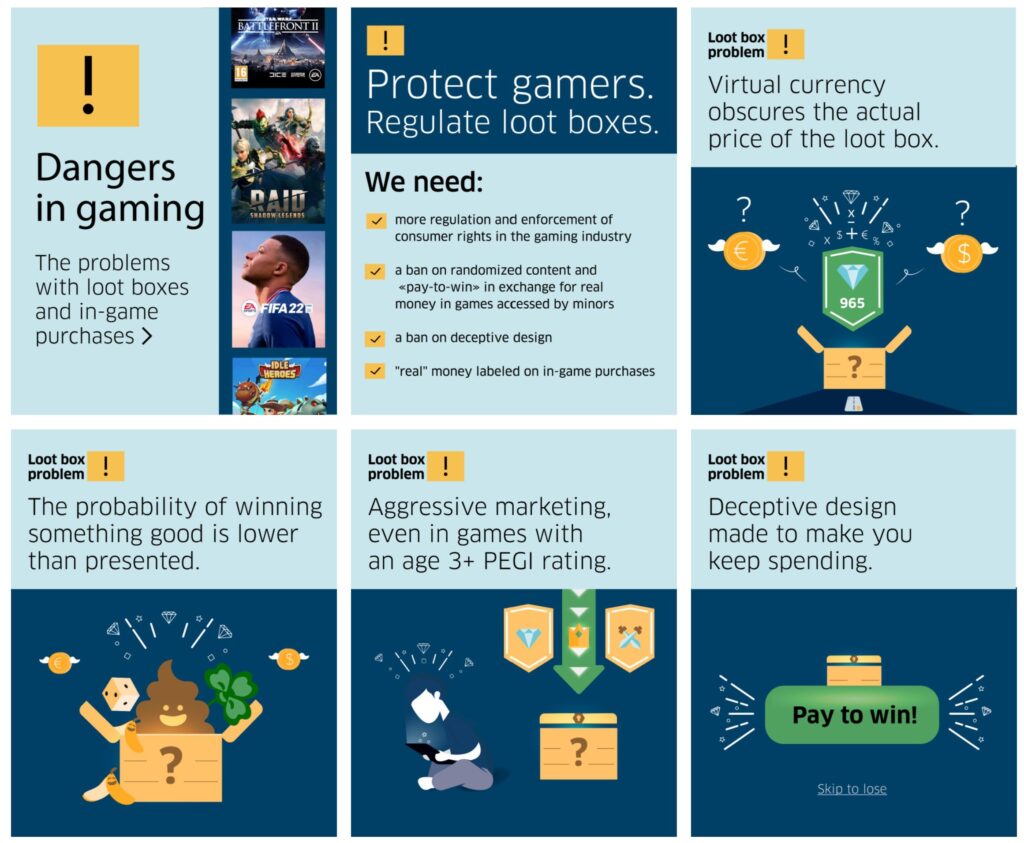
Transparent Pricing
Game developers are now required to display the real-world currency equivalent for all in-game items purchasable with virtual currency. This ensures that players understand the actual cost of items, preventing confusion caused by complex in-game currencies.
Flexible Virtual Currency Purchases
The practice of selling virtual currency in fixed bundles is no longer permitted. Players must have the option to purchase the exact amount of virtual currency needed, reducing unnecessary spending.
Consumer Rights for Virtual Currency
Virtual currencies are now classified as digital services, granting consumers the right to withdraw from purchases within 14 days. This right cannot be waived, and any remaining unspent virtual currency must be refundable.
Protection Against Exploitative Practices
Game mechanics that exploit players’ psychological vulnerabilities, such as encouraging excessive spending through tactics like “whaling,” are deemed violations of consumer protection laws. Developers must avoid designs that manipulate players into making unnatural purchases.
Safeguards for Minors
Games must implement effective parental controls to prevent unauthorized spending by minors. Simply adding age verification is insufficient; controls must be functional and default to restrict spending unless the game is exclusively for adults.
Implications for the Gaming Industry
These regulations necessitate significant adjustments in game design and monetization strategies. Developers must prioritize transparency and fairness, ensuring that players are fully informed about in-game purchases. Failure to comply could result in legal consequences and loss of consumer trust.