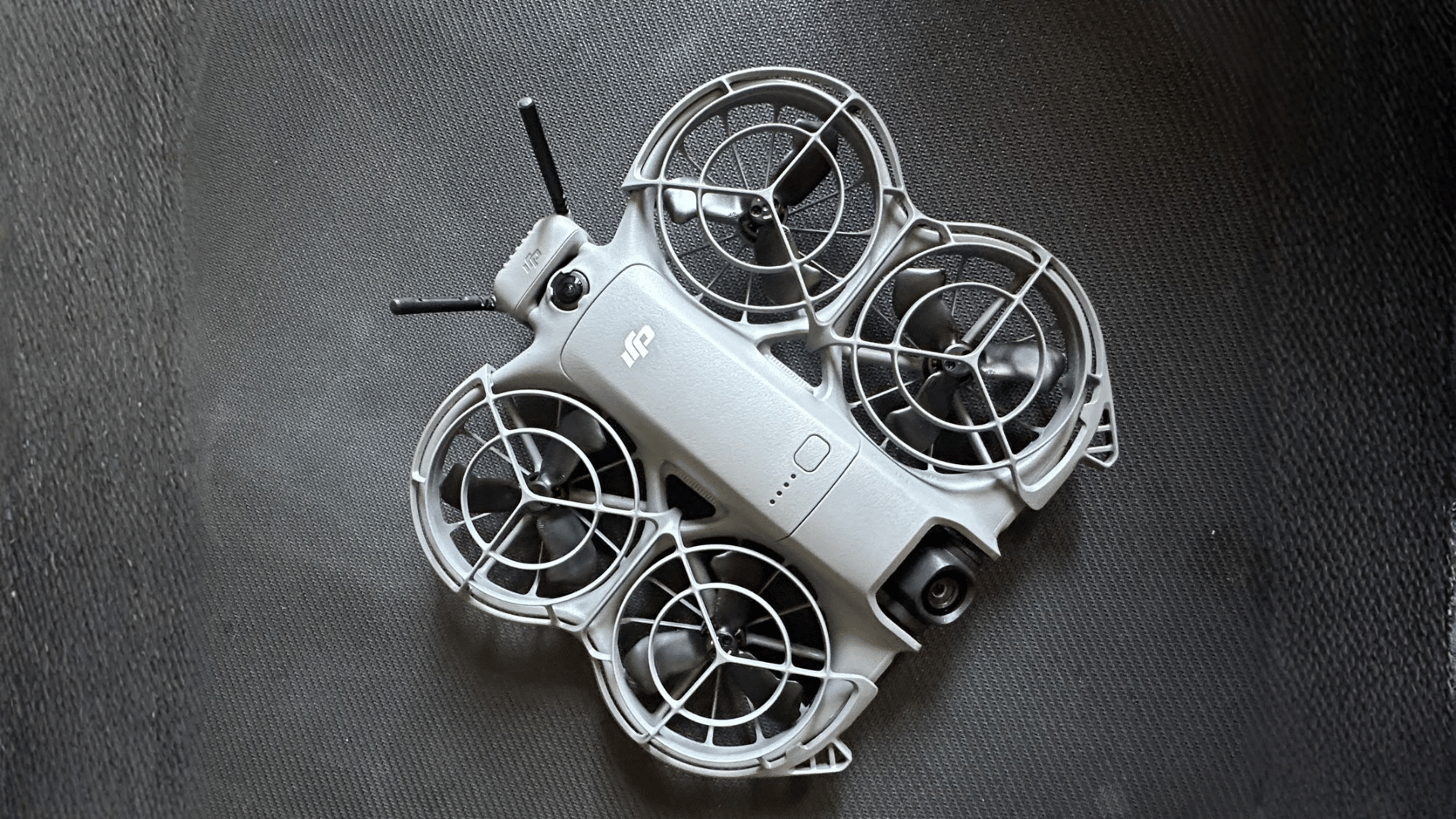

Content creation continues to grow in the Philippines and in many other countries, and more people are looking for tools that can help them capture better videos with less effort. DJI released the original Neo to give creators an easy, lightweight and affordable drone that fits that need. Now they are back with the upgraded DJI Neo 2. In this review, we take a closer look at the changes they made and see if the new version is a real step forward for creators.
DJI Neo 2 Specifications
| Weight | 151 g |
| Max Video Resolution | 4K/60fps, 4K/100fps Slow Motion |
| Gimbal | 2-axis |
| Tracking Feature | FocusTrack: ActiveTrack (with Cycling option), Spotlight, Point of Interest |
| Intelligent Features | SelfieShot, Dolly Zoom, MasterShots, QuickShots |
| Gesture Control | Supported |
| Return to Palm | Supported |
| Omnidirectional Obstacle Sensing | Supported |
| Max Flight Time | 19 mins |
| Max Video Transmission Range | Wi-Fi: 500 m, O4: 10 km |
| Max Tracking Speed | 12 m/s |
| Internal Storage | 49 GB |
Unboxing Experience
For this review, we used the Fly More Combo. The package includes the DJI Neo 2 with the Digital Transceiver already mounted, three Intelligent Flight Batteries, a Two Way Charging Hub, spare propellers, extra screws, a screwdriver, a USB C to USB C cable and the DJI RC N3 controller. The controller also comes with a removable cable so you can switch between USB C and Lightning depending on the phone you use.
DJI also sells the drone in other bundles. There is a basic kit that includes only the drone. There is another option that adds an extra battery and charger. There is also a Motion 3 plus N3 package that lets you use the drone in an FPV style setup. The Fly More Combo does not come with a carrying bag so you will need to buy your own case if you want better protection when traveling.
Design Changes
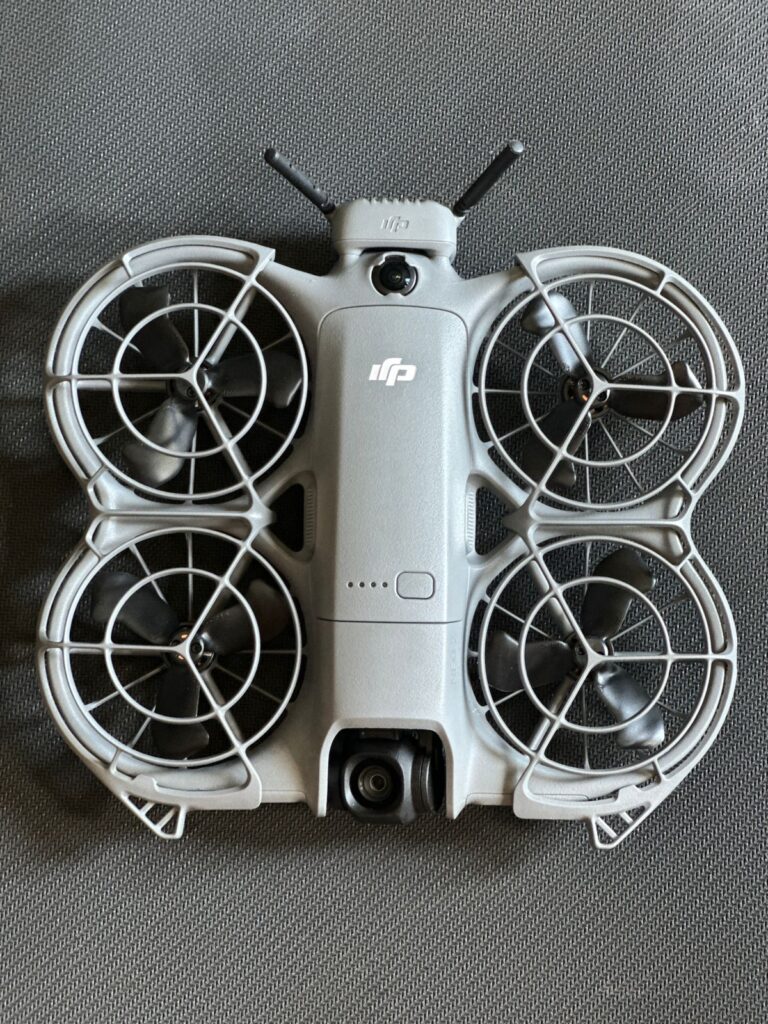
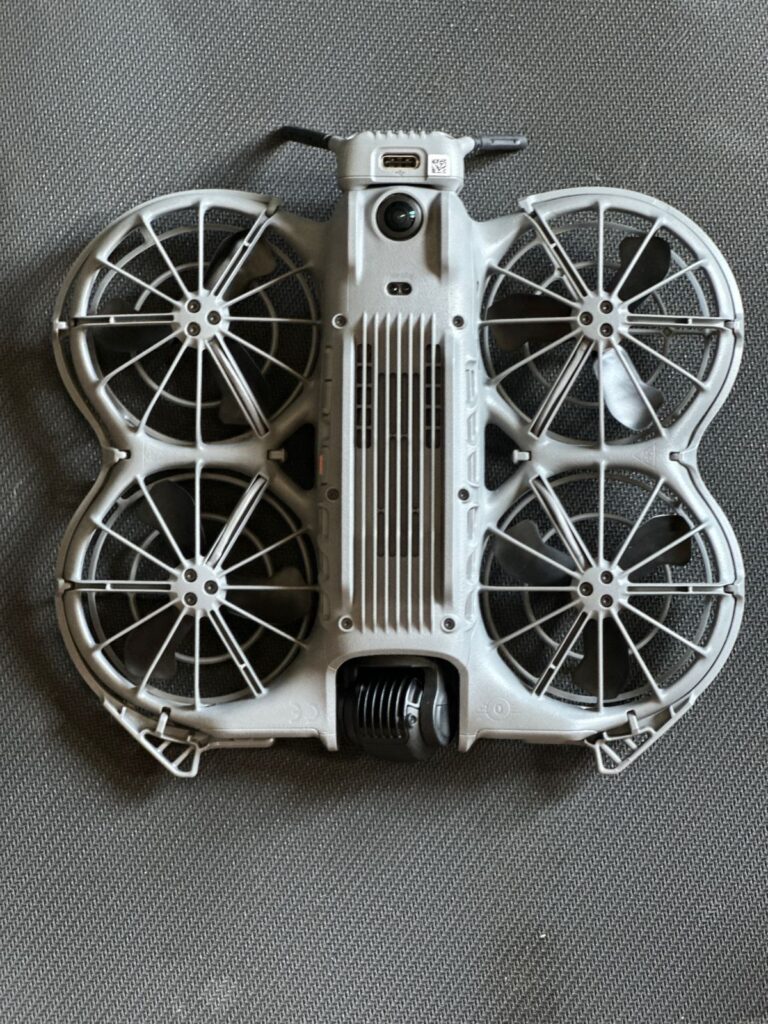
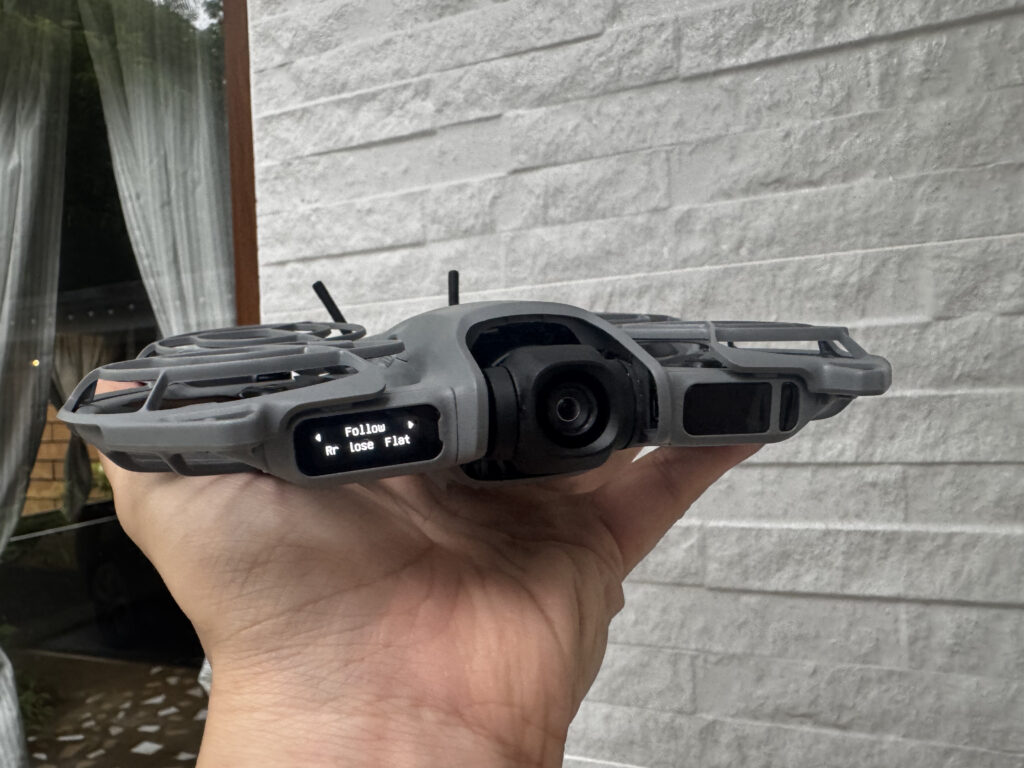
The general shape of the DJI Neo 2 is close to the first version but there are noticeable differences. The front section now has a small display that shows information about the current mode when the drone is not linked to the controller. DJI placed three buttons beside the screen so you can navigate through the available options. The drone also uses spoken prompts to let you know which mode is active.
The biggest upgrade on the front is the LiDAR sensor. The first DJI Neo only relied on downward sensors so it could not properly detect obstacles. The DJI Neo 2 is now able to sense objects in front of it which gives you a safer flying experience. A small light sits beside the LiDAR sensor and activates when SelfieShot mode is selected. The built in propeller guard remains present and still protects the drone during light bumps.
Camera Improvements
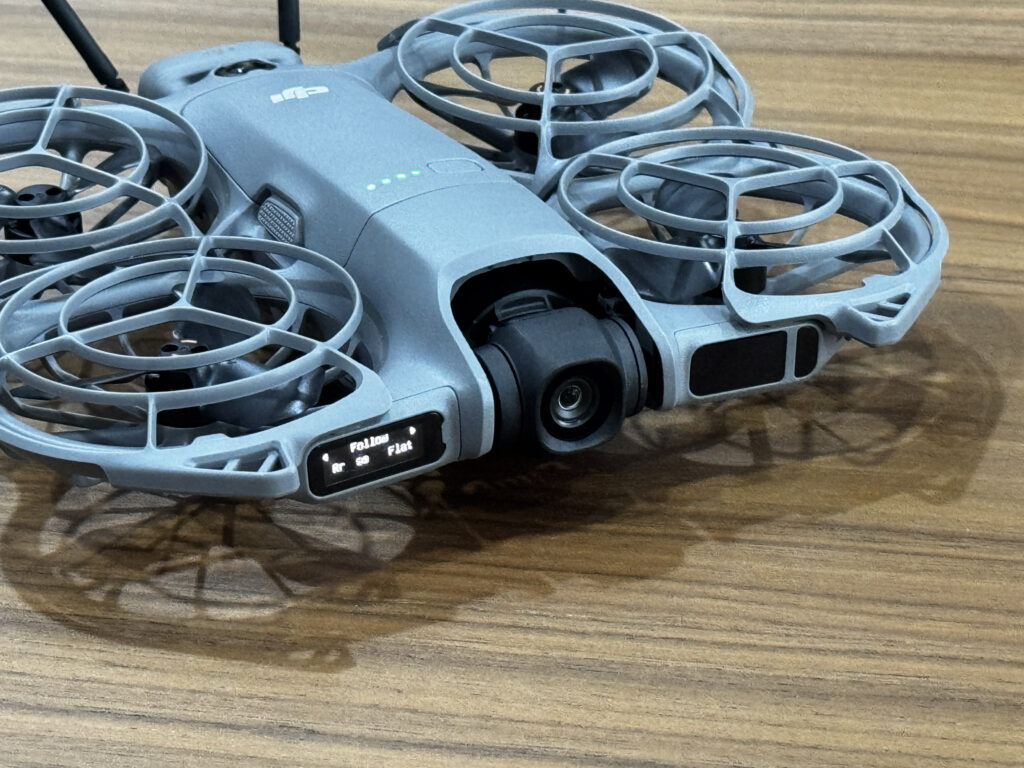
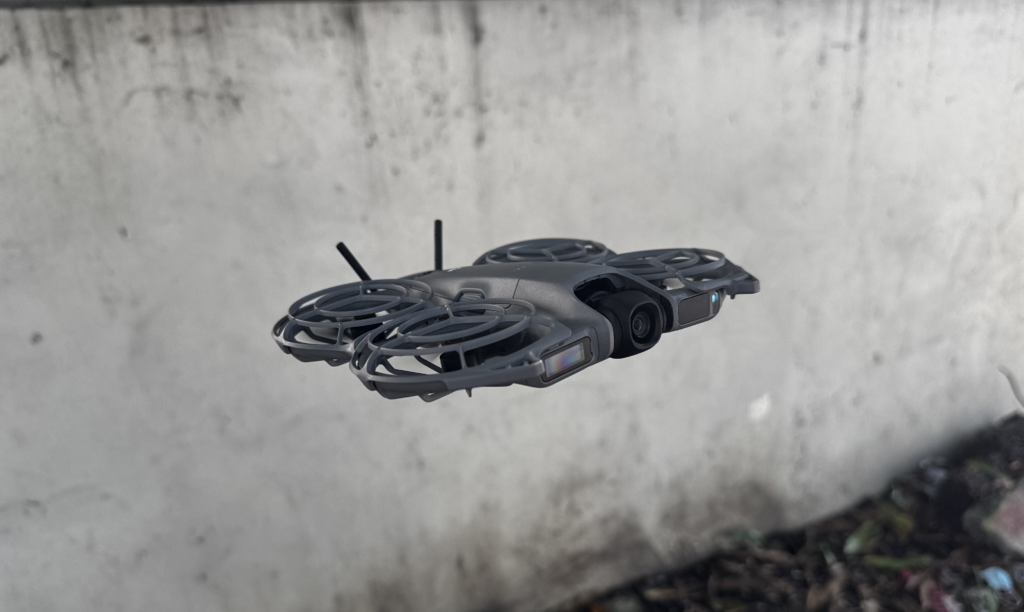
The camera system gets a significant boost. The DJI Neo 2 now uses a 2 axis gimbal. The original DJI Neo only had a single axis gimbal so footage often had noticeable shake. With the upgraded gimbal, the DJI Neo 2 produces steadier and smoother video.


The aperture is wider which helps the drone capture better images in darker environments. DJI kept the same 1/2 inch 12 megapixel sensor size but improved the image processing. The overall image now looks cleaner with better colors.

Recording performance is much improved. The DJI Neo 2 can capture 4K video at 60 frames per second and can reach 4K 100 frames in specific slow motion modes. The first DJI Neo was limited to 4K 30 frames per second. When comparing footage from both models, the difference is obvious. The DJI Neo 2 removes the dull and slightly soft look of the older drone and replaces it with brighter and sharper output.
Performance and Flight Features
Internal storage has been doubled. The DJI Neo 2 carries 49 GB of space compared to the 22 GB on the original model. It still does not support microSD cards but the larger internal capacity helps you record more clips before transferring files.
The wireless connection is stronger. The video transmission range now reaches up to 500 m. The previous model could only reach 50 m. Transfer speed for files is also noticeably faster.
The DJI Neo 2 adds gesture controls that allow you to move the drone using your hands. This works together with the controller, the mobile app and the intelligent flight functions to give you more ways to operate the drone depending on the situation.
The drone continues to be very lightweight. Without the transceiver it weighs 151 g which keeps it within the C0 category under EASA regulations.
Tracking performance is better. The DJI Neo 2 can follow a subject at 12 m/s which is faster than the 8 m/s limit of the original DJI Neo. DJI introduced a Cycling Follow Mode that keeps up better with quick movement. The wind resistance has been raised to Level 5. In real world conditions, we still encountered wind warnings at higher altitudes but the drone stayed stable enough for normal shots.
Battery Life
The DJI Neo 2 battery is rated at 1606 mAh. The previous battery was 1435 mAh. The maximum flight time on the official spec sheet is 19 minutes. In our testing, the DJI Neo 2 drained a little faster than expected. The stronger processor and new sensors likely contribute to the higher consumption. Even with this, the overall upgrades in performance and image quality make the battery trade off manageable.
Final Verdict
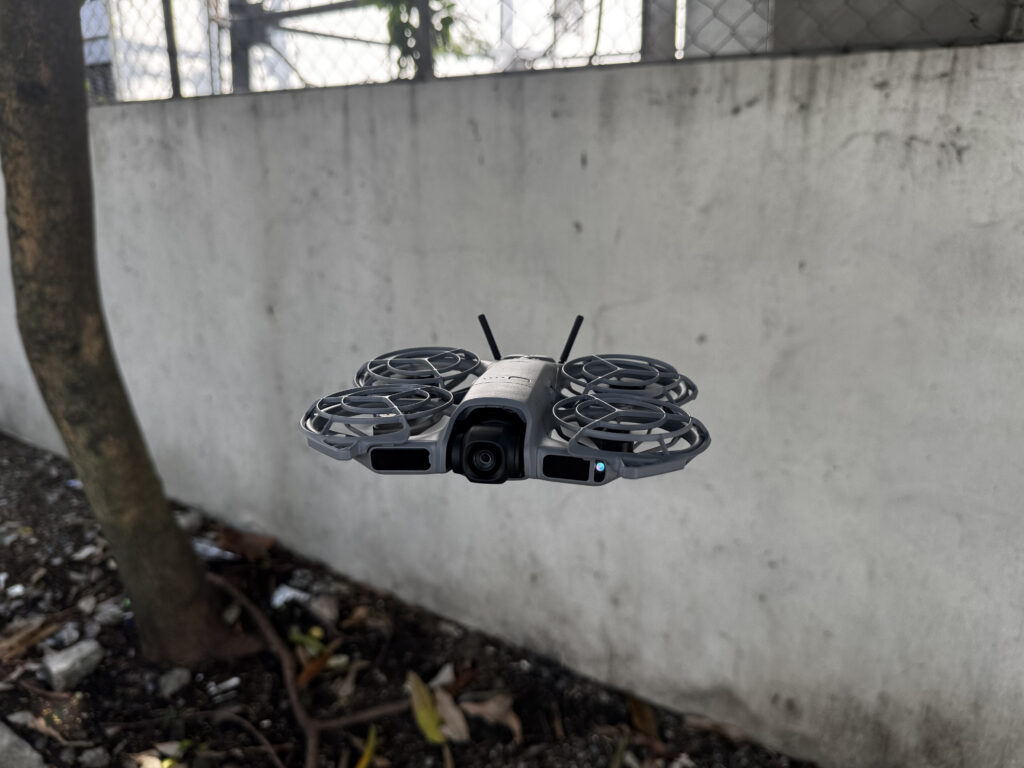
After testing the DJI Neo 2, the changes DJI introduced clearly make it a stronger option for content creators. The improvements in stabilization, video quality, tracking speed, storage, wireless range and safety features result in footage that looks better and a drone that is easier to use in real shooting conditions. The added LiDAR sensor and upgraded gimbal alone make a noticeable difference in the overall experience.
If you are using the original Neo, the DJI Neo 2 provides enough meaningful upgrades to justify the switch. It delivers smoother video, more reliable tracking and better performance for dynamic shooting, which are all important for creators. DJI did not simply refresh the design. They actually addressed the weaknesses of the first model and turned the Neo 2 into a more capable tool for everyday content creation.
The DJI Neo 2 is priced at 12,390 pesos for the standard version. The Fly More Combo is 16,490 pesos. The package with the RC controller is 20,590 pesos. The Motion Fly More Combo is 30,490 pesos.