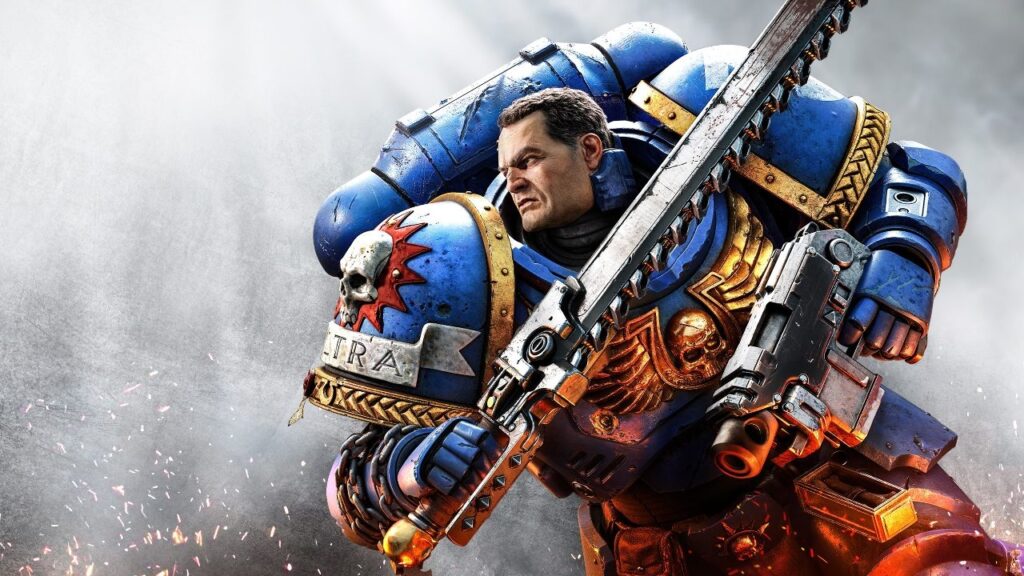
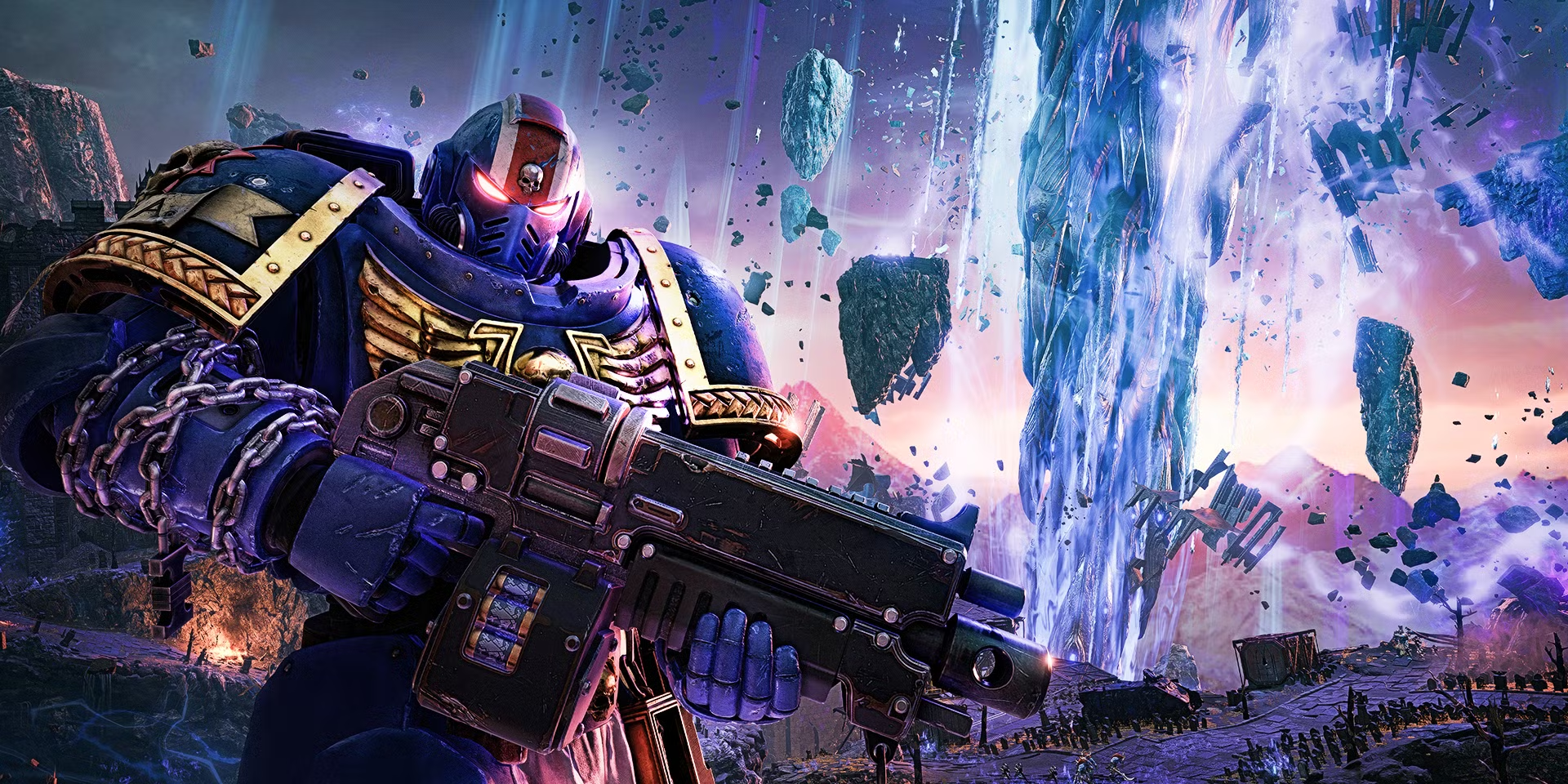

Games Workshop, the UK-based creator of the Warhammer 40,000 and Age of Sigmar universes, has implemented a strict ban on the use of artificial intelligence for content and design work. According to a recent internal policy, staff members are prohibited from using AI-generated tools to produce artwork, writing, or sculptures. This mandate extends to third-party contributors and participants in company-run competitions, ensuring that all official Warhammer material remains human-crafted. The company’s leadership stated that this move is essential to protecting their unique intellectual property and maintaining the high creative standards fans expect from the brand.
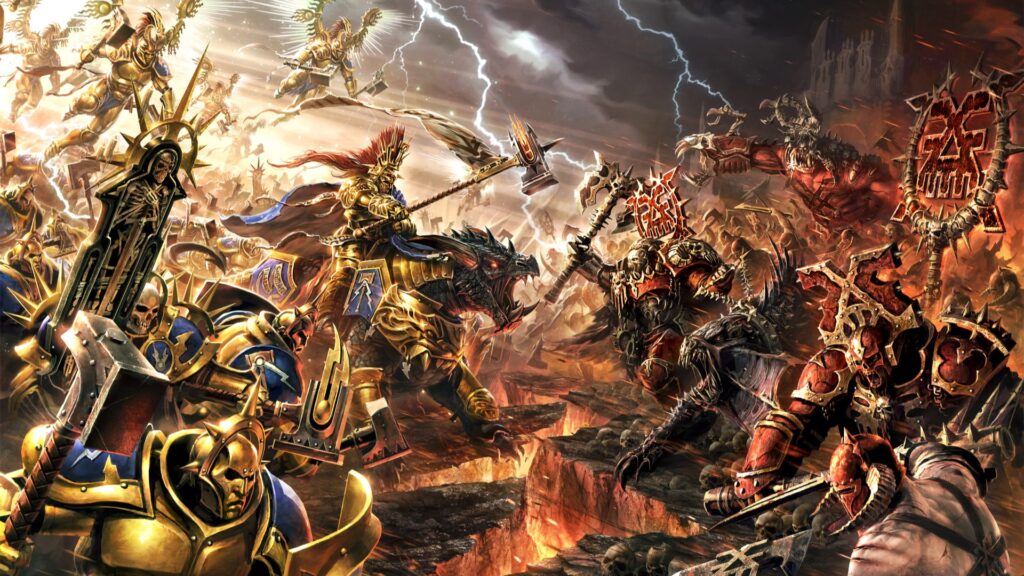
Human Creators at the Core
During a recent financial update, Games Workshop CEO Kevin Rountree addressed the company’s cautious stance on generative technology. While acknowledging that some senior managers have expertise in AI, Rountree noted that there is very little excitement for the tech within the studio’s creative pipeline. Instead of shifting toward automation, the company has increased its investment in traditional human roles. Over the first half of the current financial year, Games Workshop hired additional concept artists, writers, and sculptors to support the ongoing development of its sprawling tabletop and narrative worlds.
Protecting IP and Artistic Integrity
The decision to sideline AI comes amid growing scrutiny from the fan community regarding the origin of digital artwork in licensed products. By establishing a clear, human-only policy, Games Workshop aims to reassure its audience that the “grim darkness of the far future” will continue to be shaped by professional artists and writers. Only a very small group of senior managers are currently authorized to test AI tools, and even then, only outside of live production environments. For the foreseeable future, Games Workshop remains committed to a production model that prioritizes human creativity over algorithmic assistance.