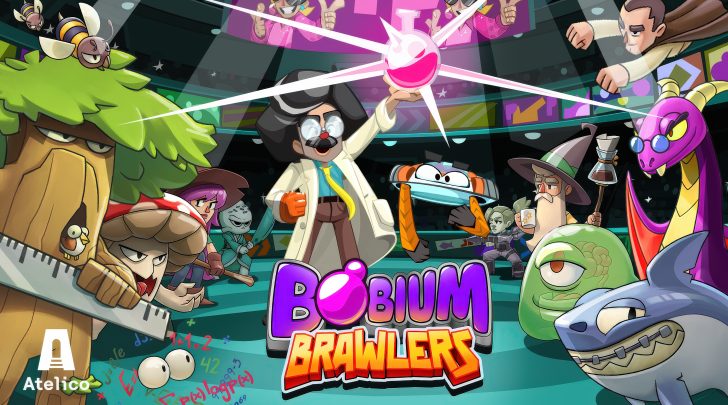

In a landscape where artificial intelligence often sparks heated debate, Studio Atelico is aiming to change the narrative with its debut title, Bobium Brawlers. CEO and co-founder Piero Molino recently addressed the growing anti-AI sentiment among gamers, arguing that the backlash isn’t directed at the technology itself, but rather at “slop,” low-quality, mass-produced content, and the exploitation of human artists. During a presentation for the turn-based card and dice creature battler, Molino emphasized that Studio Atelico is committed to an ethical approach. This includes paying human artists to create the training data and providing them with ongoing royalties for any in-game assets generated using their specific art styles.

Unique Mechanics Powered by Generative Tech
Bobium Brawlers utilizes a custom AI engine to enable gameplay features that the developers claim would be impossible through traditional methods. The core hook of the game allows players to create their own unique creatures for their decks simply by providing a text description. The AI then generates the artwork and stats in minutes, ensuring that every player’s experience is personalized. To maintain high standards and a cohesive look, the studio employs a team of human artists who developed the game’s visual identity and continue to oversee the non-creature art. This strategy is designed to avoid the generic “AI look” and ensure that the generative elements enhance the creative experience rather than replace human craftsmanship.
Technical Innovation and Privacy
A key technical differentiator for Bobium Brawlers is its focus on on-device AI processing. By running the AI engine locally on the player’s device, Studio Atelico ensures lower latency, better privacy, and reduced costs for the developer. This approach requires relatively modern hardware, specifically targeting iPhone 13 models and newer that feature advanced Neural Engines. While a small portion of the AI processing will initially occur in the cloud, the studio plans to transition the game to a fully on-device model in the future. By bringing the cost of AI generation down to nearly zero, the developers hope to prove that generative technology can be a sustainable and positive addition to the mobile gaming ecosystem.