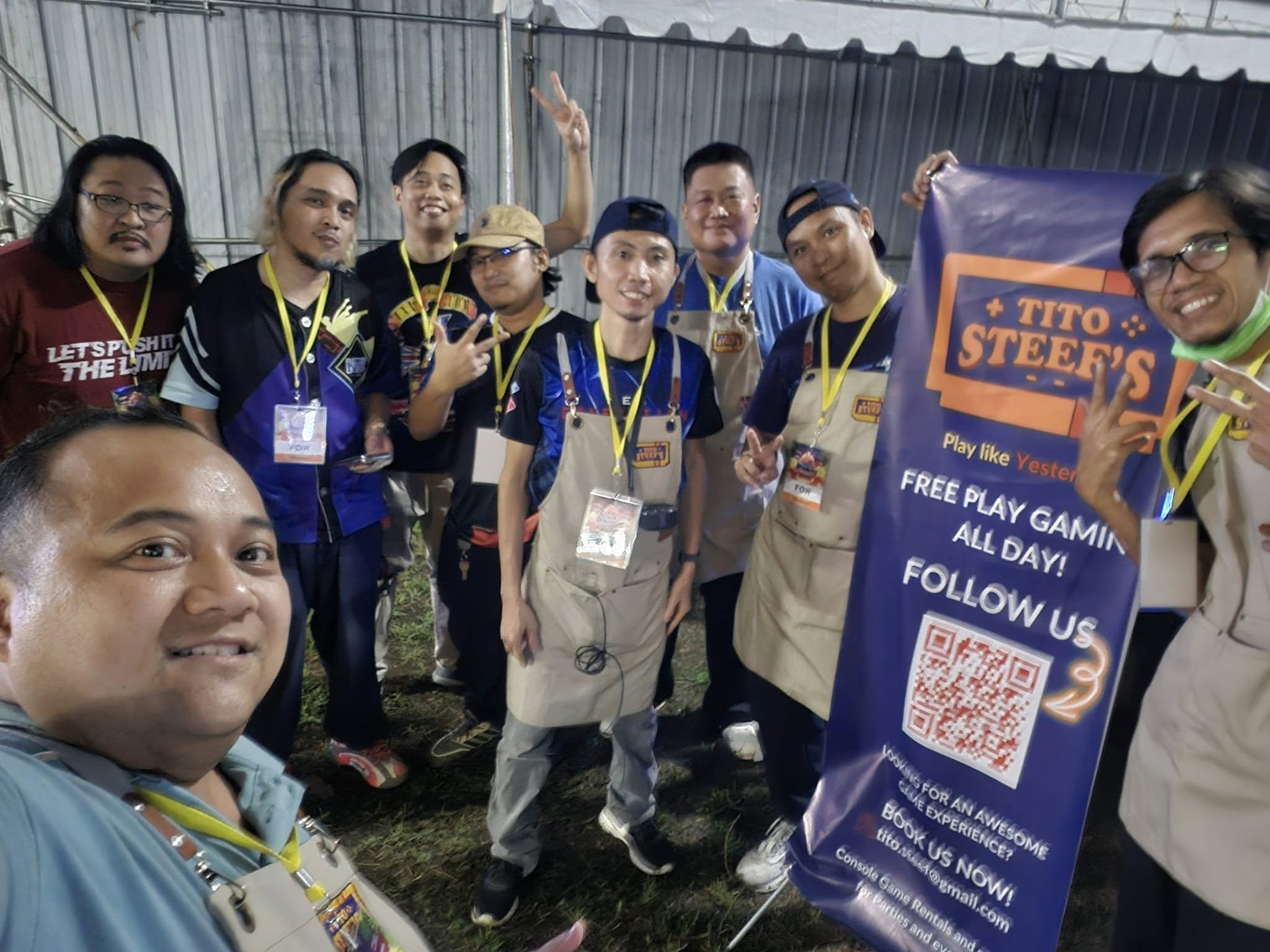

Stephen Reverente, better known in the community as Tito Steef, began playing retro games back when they weren’t even called retro. For him, these weren’t artifacts of the past, but simply the games of his life. “I was playing the retro game before they were called retro,” he recalls. He never let go of the classics like Chrono Trigger and The Legend of Zelda: Ocarina of Time, replaying them well into adulthood. Starting out as a self-described Nintendo kid, his first non-Nintendo leap only came in college with a Sega Dreamcast specifically to experience Project Justice.
That love eventually grew into reflection. What pulled him back again and again wasn’t just memory, but meaning. “Some of these games suddenly feel difficult for no reason,” he shares, “but then after a while the muscle memory comes back.” He speaks with awe about how technical limitations once sparked wild creativity, how music composers worked with only a few sound channels to birth timeless melodies, how an entire second Pokémon world fit inside less than a megabyte. “It’s insane to think some AAA games are 200GB today and don’t evoke the same awe.” In his eyes, retro gaming is proof that magic was once made from constraint, not abundance.
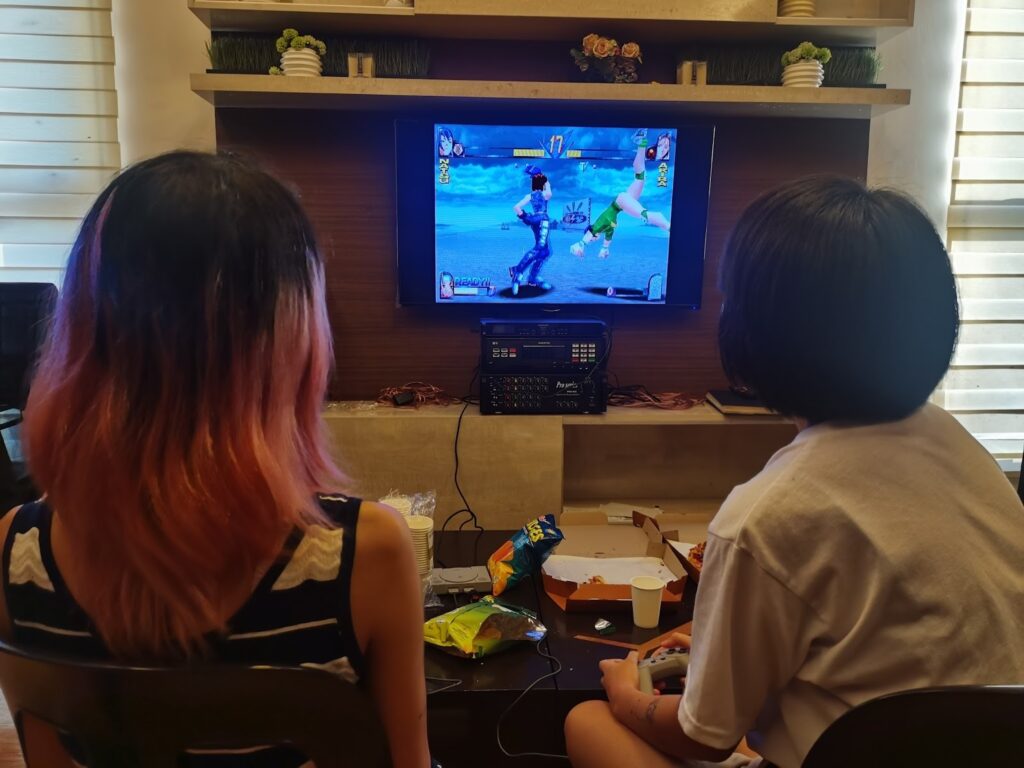
Community, Family, and the Joy of Play
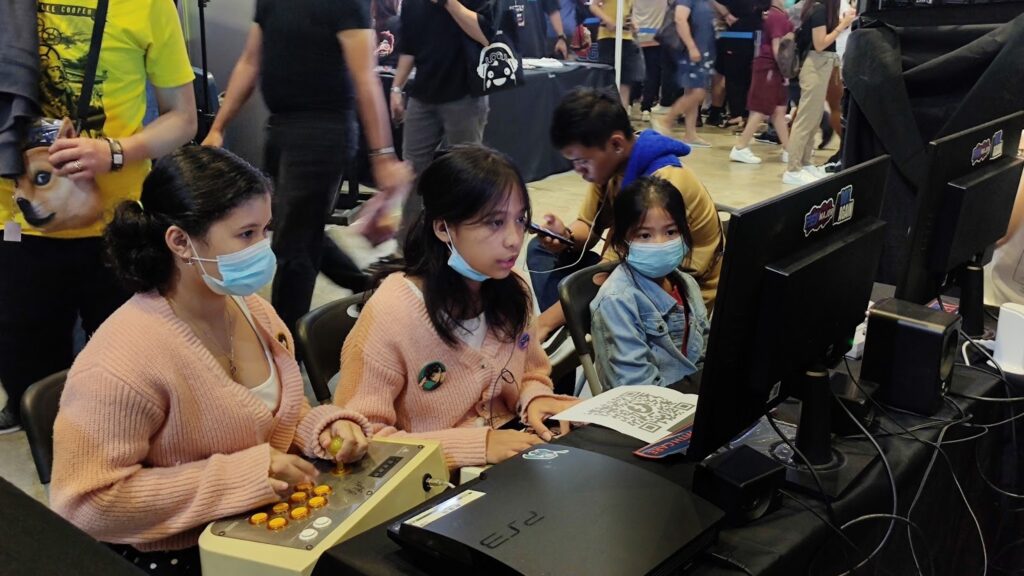
Beyond the games themselves, it is the sense of community that makes retro gaming powerful for Tito Steef. “It gives me a chance to share the experience of my gaming past with other people.” At retro events, he observes something beautiful, strangers from completely different gaming eras interacting over a console that equalizes them both. “A diverse number of games and gamers that wouldn’t usually interact with each other all in one event.” There is no elitism, no graphics war, no hardware flex. It is joy in its purest form, discovery rather than comparison.
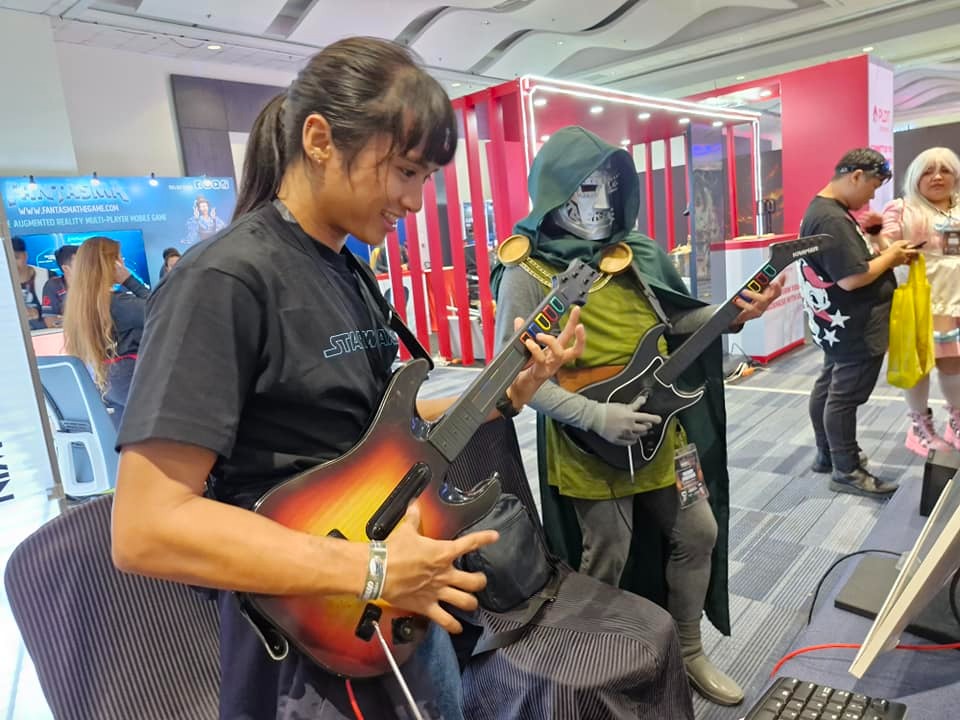
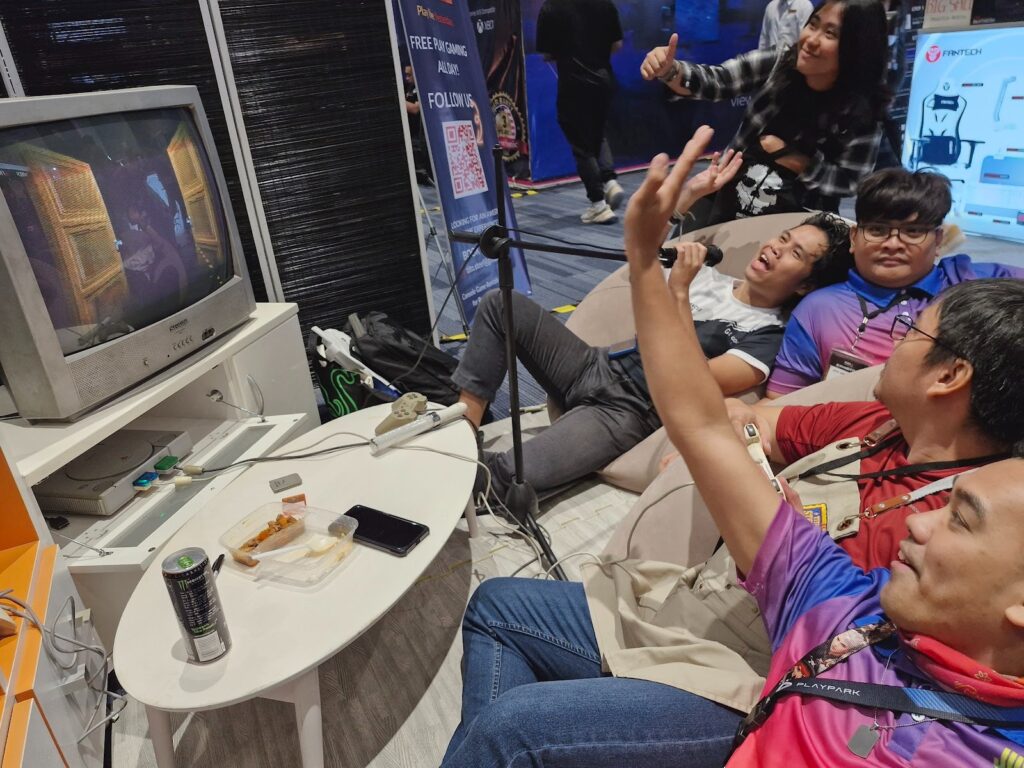
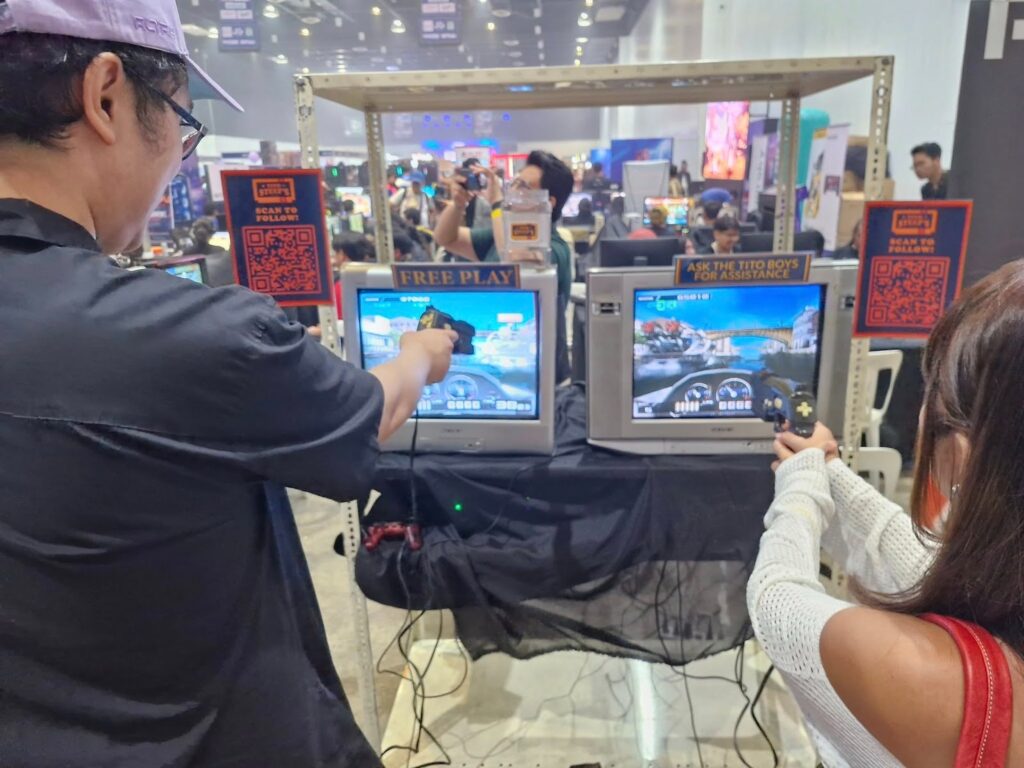
His vision is simple but sincere, accessibility. “I wish it becomes more accessible to more people,” he says of the Philippine retro scene. He takes that personally, even bringing consoles to public events so others can experience them directly. And this is not a solo passion. Retro gaming runs through his household. “It’s a family thing,” he says openly. His wife enjoys older games. His son grew up playing Family Computer first, free of expectations or judgment. “A game is a game.” To him, that is one of the most important values retro preserves, that the joy of play should never be gated.
Collecting Memories and Inspiring the Next Generation
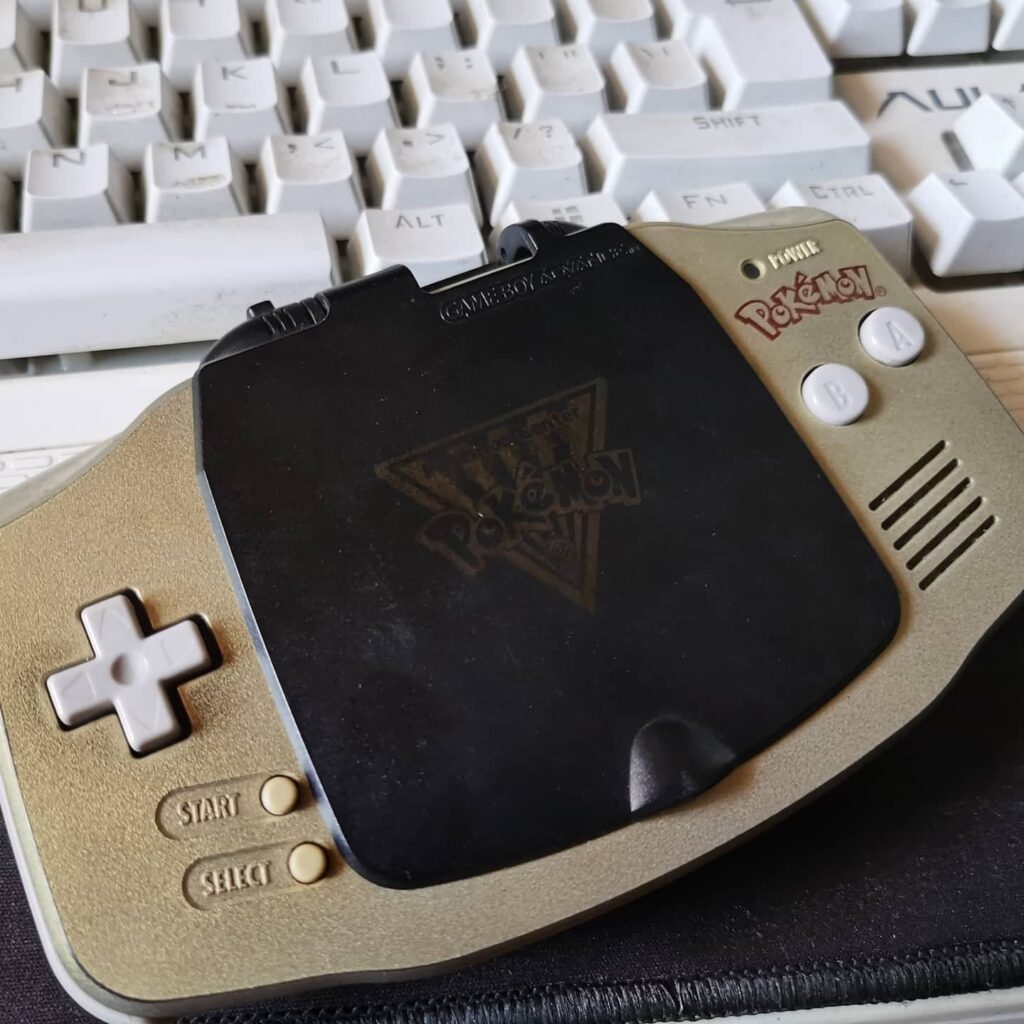
His collection reflects that intimacy, not status but story. His pride begins with his original Chrono Trigger, a Christmas gift from his late mother. He kept the box and card. When it was lost years later, he spent years searching and eventually found another working copy. His Pokemon Center New York Game Boy Advance still carries its childhood wear. He treasures signed Castlevania titles, Tsukihime collectibles, and rare finds, but never as trophies, only as memories made permanent.
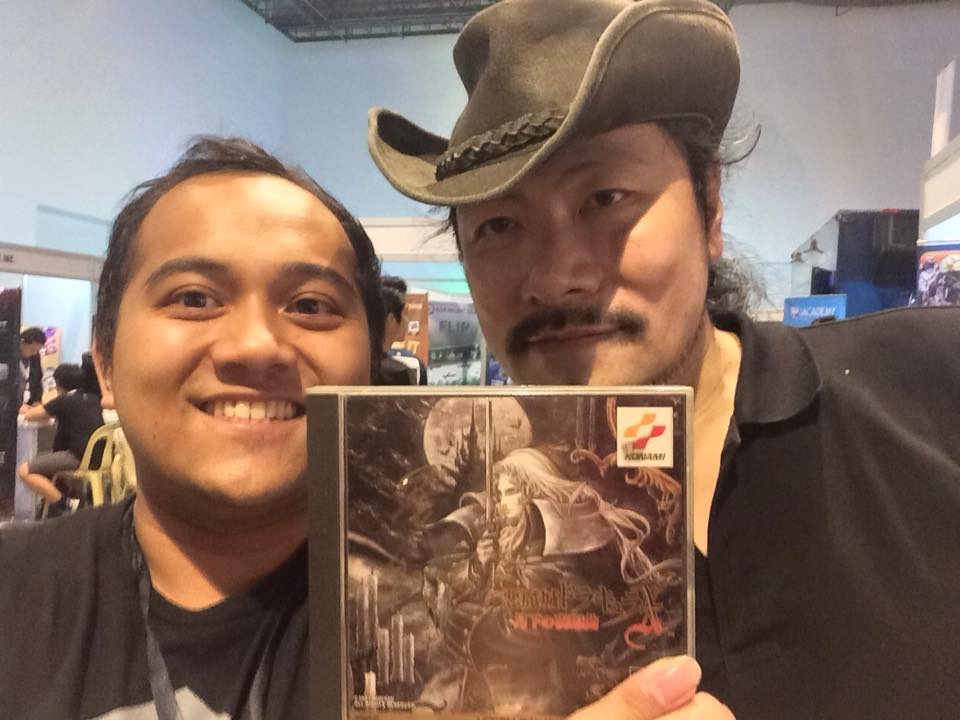
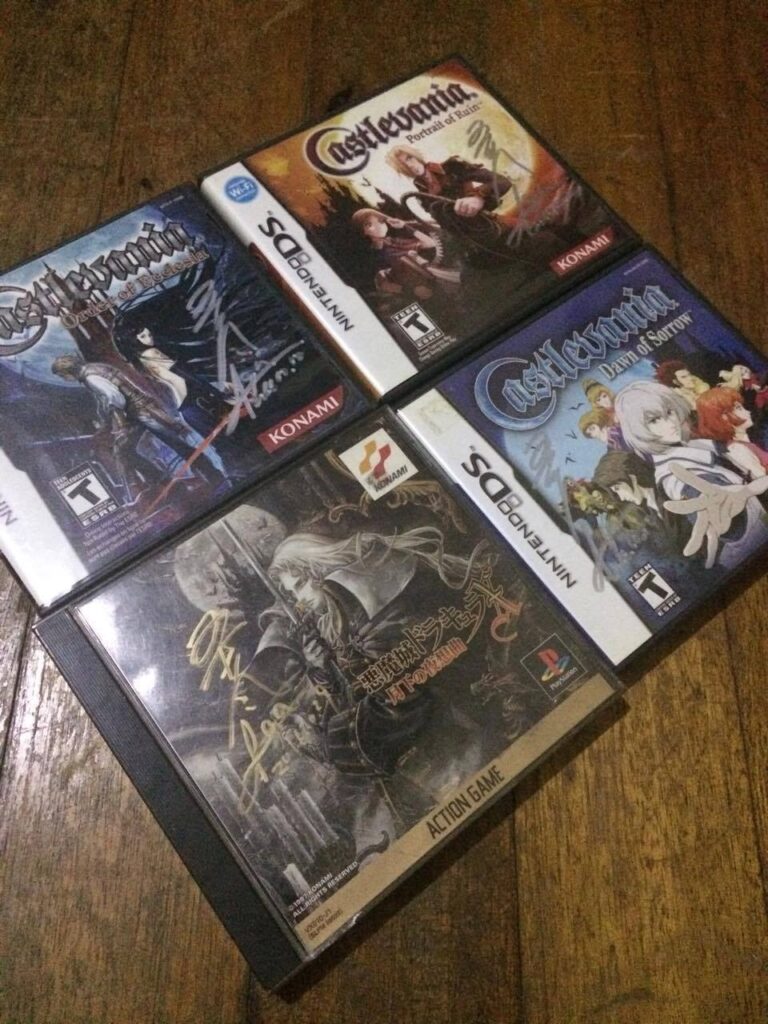
Looking ahead, his role is shifting not away from collecting, but toward giving back. “Community building and sharing the experience primarily,” he says of what comes next. The future of retro gaming, for him, is not about archiving the past, but welcoming the next generation into it. He leaves a message to both sides of the timeline, “For the oldies, be friendly and welcoming. For the new kids, stay curious and don’t be afraid to try a bunch of retro games. You never know when you find one that resonates with you strongly.”
The past is not over for Tito Steef, it’s a living invitation, and he’s making sure the door stays open.
Socials:
FB: https://www.facebook.com/titosteef
Tiktok: https://www.tiktok.com/@titosteef
Youtube: https://www.youtube.com/c/TitoSteef