
We all love and enjoy a good crossover. It doesn’t matter if it’s in movies, anime, or books. There’s a particular thrill in seeing a familiar character step out of their original world and appear somewhere unexpected, whether as a guest fighter or part of a shared universe.
Guest characters have long been part of gaming culture. Fighting games, action titles, and even RPGs have used them to spark excitement and expand their reach. When done right, these inclusions feel natural — like a puzzle piece that fits even if the edges aren’t perfect. Characters from the same genre or shared publishers often slide neatly into a game’s mechanics, tone, or visual language.
But not every guest character belongs to that profile. Some feel off the moment they appear. Be it visually, tonally, or logically. These are the inclusions that make you pause mid-trailer, go slack-jawed, blink twice, and quietly ask, “Why are they here?”
What Are Guest Characters?
In gaming, guest characters are playable or prominent characters that originate from a different franchise, universe, or even real-world identity, and appear in another game.
In earlier years, guest characters were mostly treated as bonus content or fan service, chosen because they complemented the host’s game mechanics or themes. Even when they felt unusual, the expectation was simple: it should still respect the identity of the game they entered.
Over time, that expectation seemed to have weakened. And that shift might be because of one game in particular.
The Fortnite Effect: When “Fit” Became Optional
During a conversation with my friend Doby (from The Replays), he brought up something he casually called “the Fortnite effect”. It may not be an official term, but it captures the idea perfectly.
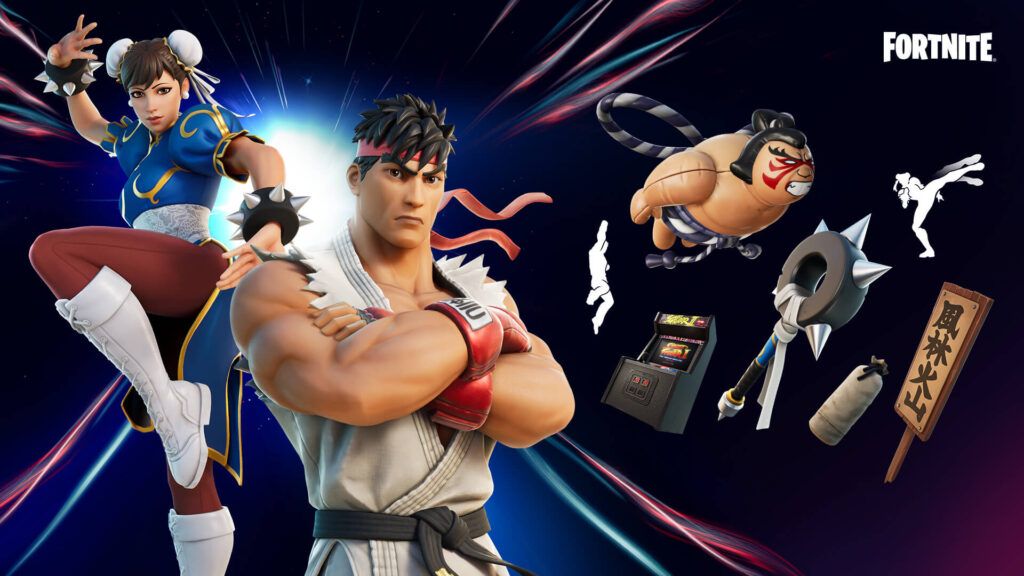
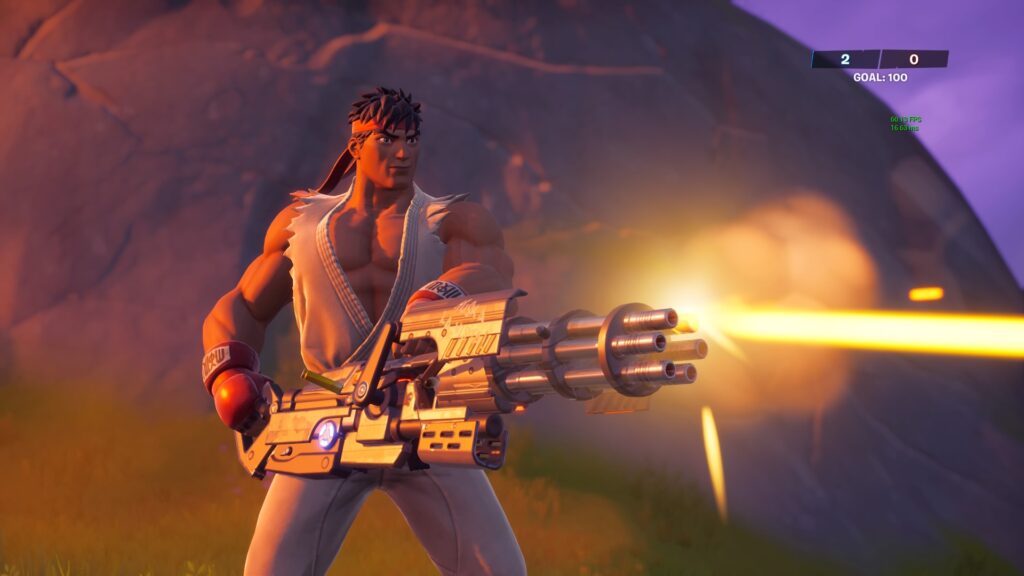
Imagine buying a Ryu or Chun-Li skin in Fortnite, only to have them wield assault rifles instead of using Hadouken or Spinning Bird Kick. What about having Ariana Grande, Sabrina Carpenter or even Eminem as a playable skin or defeating other players as Snoop Dogg or the queen of Christmas, Mariah Carey?
It feels strange, doesn’t it?
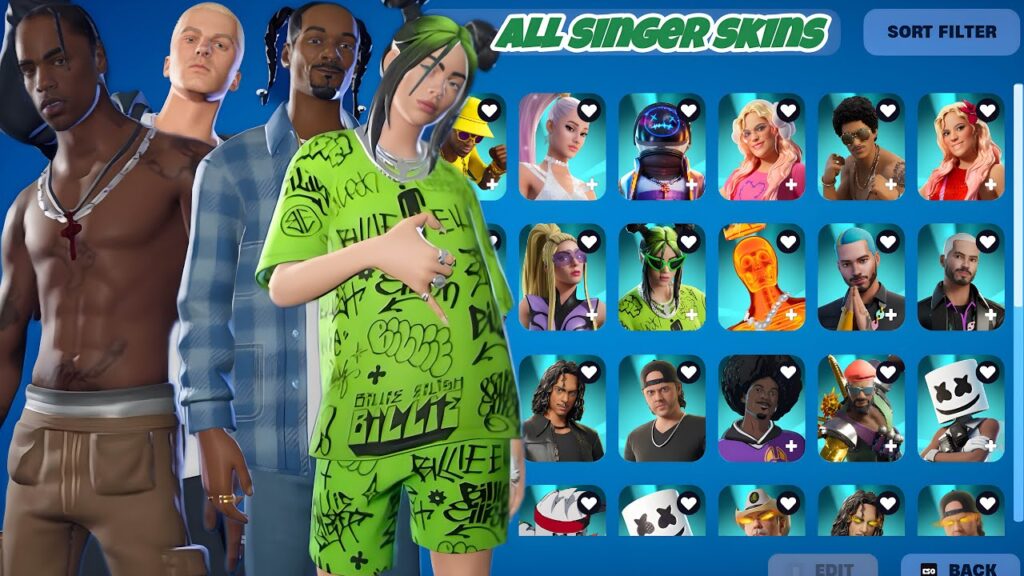
As a pop culture juggernaut, Fortnite proved that internal consistency was no longer a requirement for success. By placing superheroes, anime characters, musicians, athletes, and fictional icons into a single space, it reframed games as platforms rather than self-contained worlds.
Guest characters became content strategies, valued more for fame and viral appeal than narrative or even tonal cohesion. And as other games adopted similar approaches, the idea that a guest character needed to “belong” slowly began to fade.
Unusual, But It Works
Some guest characters succeed despite feeling out of place because they still respect the game’s mechanical foundation.
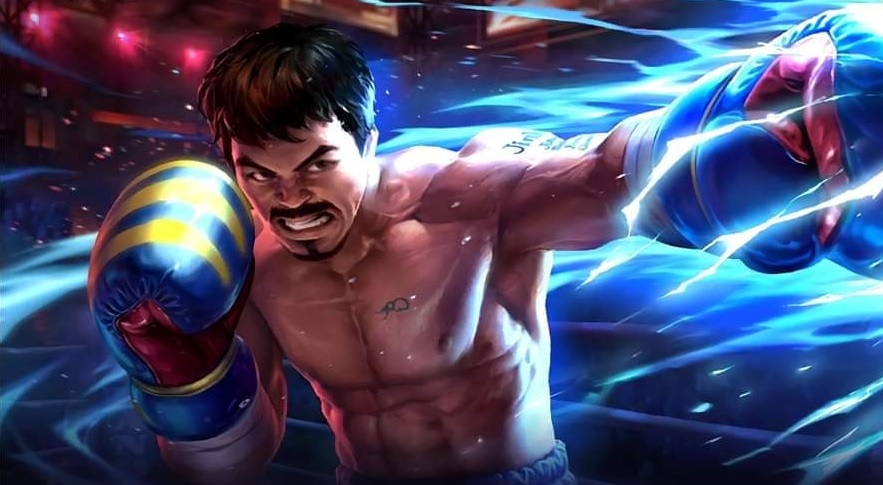
A notable example is Mobile Legends: Bang Bang’s collaboration with Manny Pacquiao in 2021. Pacquaio, a real-world boxing icon, clearly doesn’t belong in a fantasy MOBA. However, instead of inserting him directly, MLBB introduced Paquito, a character inspired by Pacquiao, and built entirely around the game’s existing mechanics. While undeniably promotional, the collaboration functioned smoothly without disrupting gameplay.
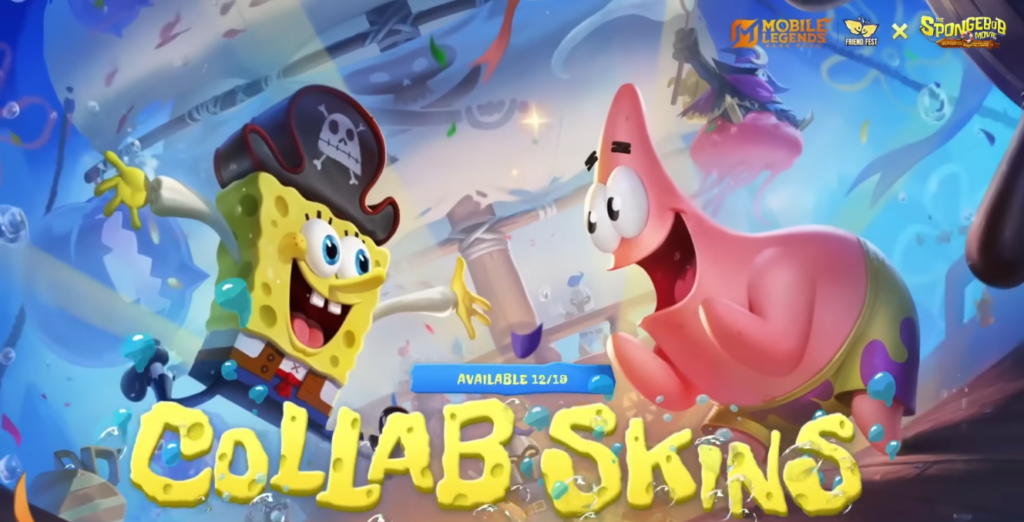
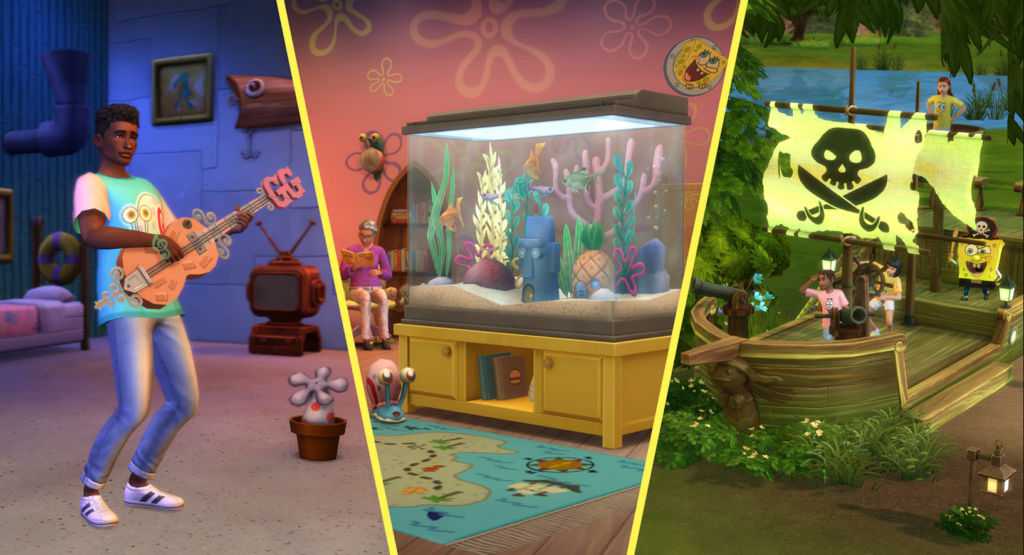
SpongeBob SquarePants’ appearance in Mobile Legends follows a similar logic. From a narrative standpoint, a cartoon character entering a competitive MOBA is jarring. However, they implemented SpongeBob and Patrick as skins, fitting them neatly into established hero frameworks. The aesthetic clash is obvious, but the gameplay remains intact.
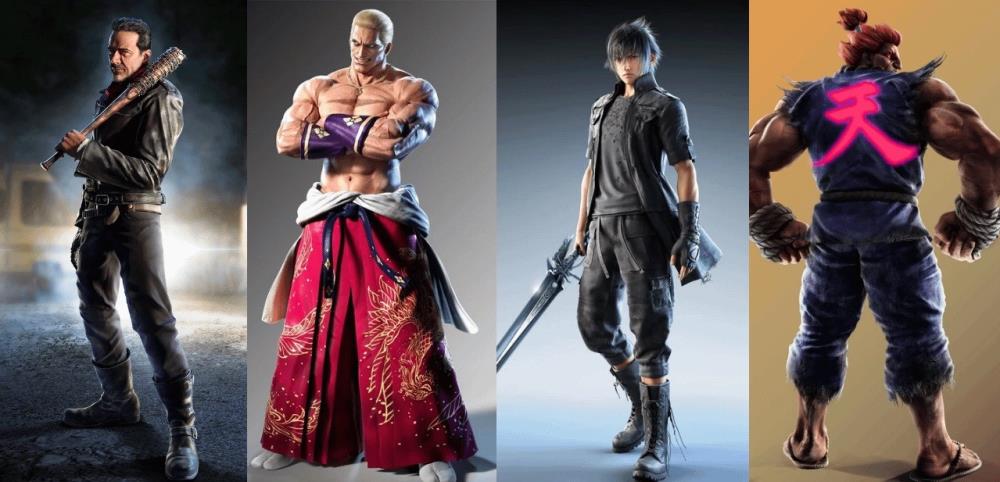
Then there’s Tekken which offers a more nuanced case. Characters like Akuma from Street Fighter and Noctis from Final Fantasy XV are surprising additions to Tekken’s roster. However, the developers carefully adapted both characters to the game’s fighting system. Akuma was even written directly into Tekken 7’s storyline, grounding his presence in the game’s lore. In these cases, the guest characters felt considered rather than forced.
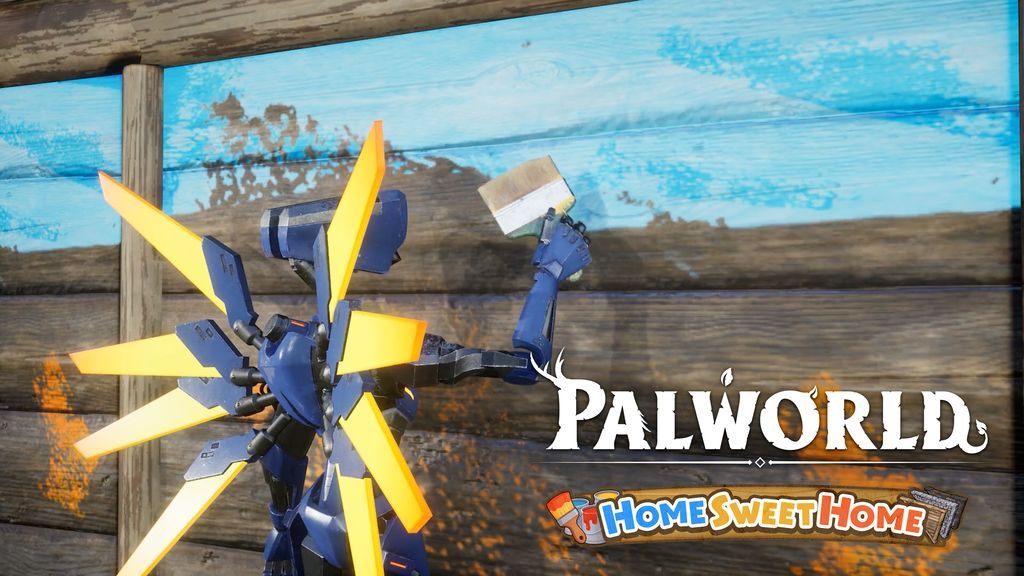
Meanwhile, Palworld and Ultrakill collaboration works in a limited sense. The two games differ wildly in tone and genre, but the crossover itself avoids deep integration. Instead, it leans into novelty without altering either game’s core systems, making the collaboration strange but contained.
Unusual, and that’s the Problem
Problems arise when guest characters disrupt not just the game’s tone, but also its intent.
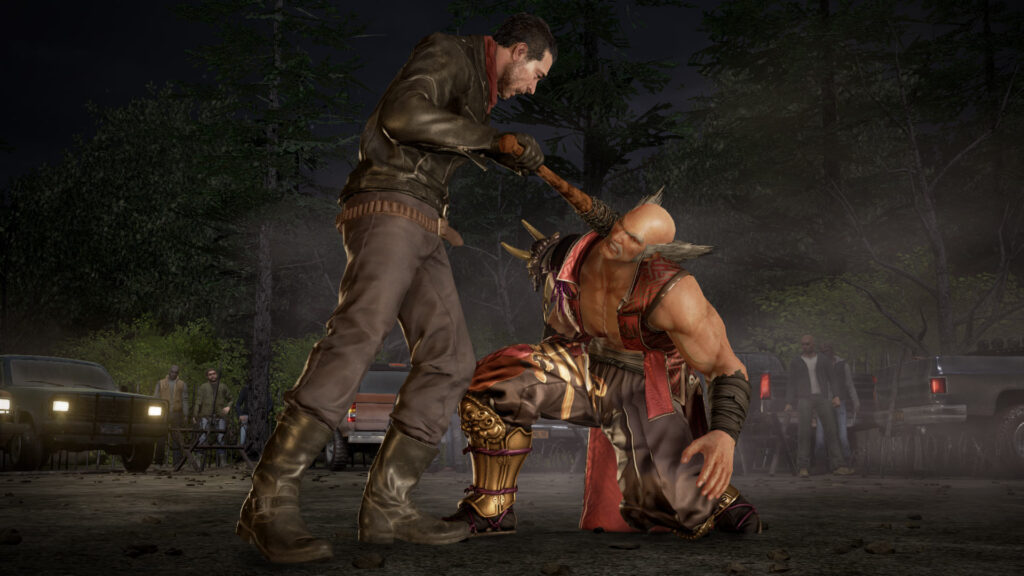
Negan from The Walking Dead remains one of Tekken’s most divisive inclusions. While fictional, Negan’s grounded violence and television origins clash with Tekken’s long-established martial arts fantasy. His mechanics fit, sure. But thematically, his presence feels detached. It is a crossover that highlights its own shock value rather than reinforcing the game’s identity.
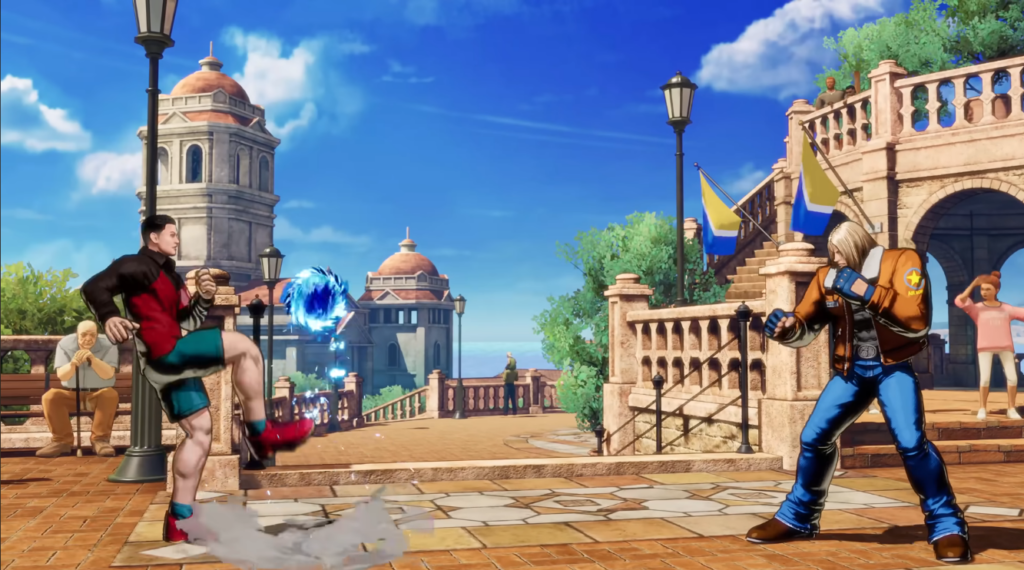
Speaking of attention, celebrity inclusions amplify this issue further. Cristiano Ronaldo’s appearance in Fatal Fury: City of the Wolves highlights the discomfort of inserting real-world figures into fictional fighting games. Unlike Paquito, Ronaldo appears as himself, bringing fixed real-world associations that are difficult to reframe. The inclusion feels closer to brand placement than creative crossover, emphasizing marketing visibility over world-building.
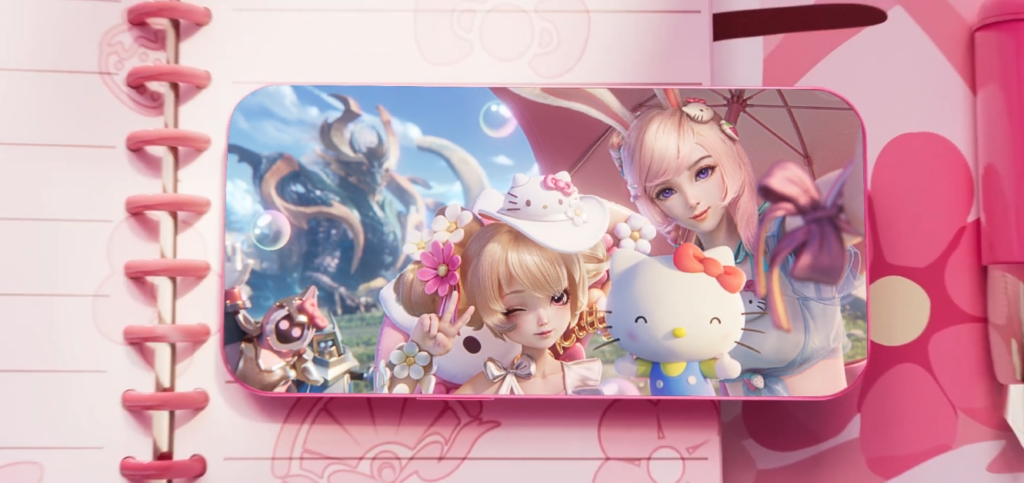
However, the Honor of Kings collaboration with Hello Kitty occupies a middle ground. Visually and tonally, the pairing is odd. Hello Kitty’s, globally recognized cuteness contrasts sharply with the game’s mythological and historical theme and aesthetic. However, in limiting the collaboration to cosmetic skins rather than full character integration, the game avoids major disruption. The result is strange but still controlled. It’s a branding kept at arm’s length from gameplay identity.
The Thin Line Between Novelty and Noise
Across these examples, a clear pattern emerges. Guest characters that work tend to adapt themselves to the game they enter. However, those who fail expect the game to adapt around them.
Limited-time events, cosmetic collaborations, or mechanically grounded additions allow developers to experiment without permanently reshaping the game’s identity. Permanent inclusions, however, especially those tied to celebrities or unrelated media, carry greater risks of feeling hollow or intrusive.
When Not Belonging Becomes the Point
The slow rise of out-of-place guest characters reflects a bigger shift in how games are made and marketed. Thanks to the Fortnite effect, visibility and virality often matter more than cohesion.
Nowadays, guest characters are no longer meant to fit in. Sometimes, they are designed to stand out, even if that means breaking immersion. Whether this represents a clever evolution or a slow erosion of identity, it depends on how much weirdness us players are willing to accept.
And judging by the crossovers we keep getting, the answer might be: quite a lot.