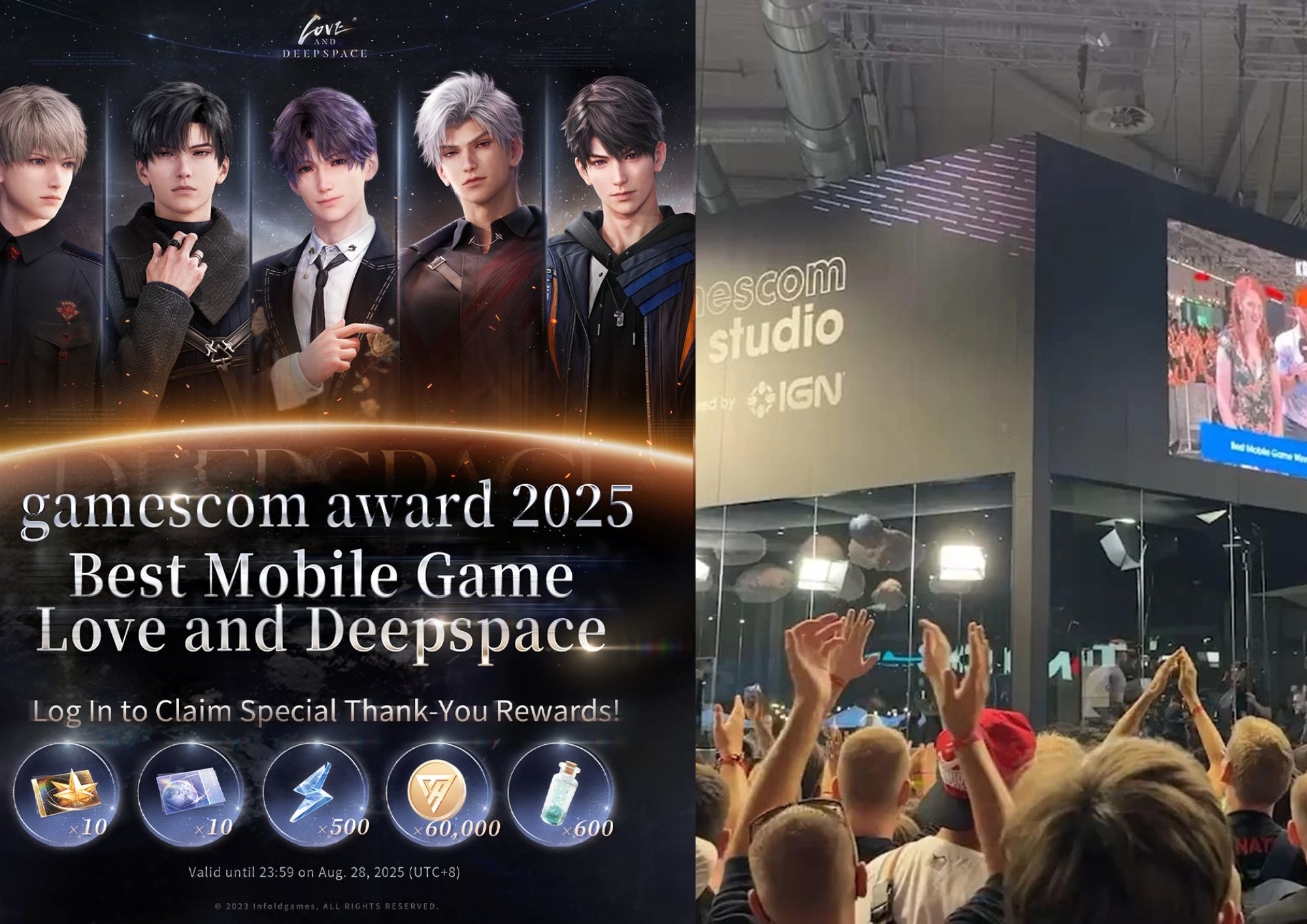

When Love and Deepspace won Best Mobile Game at Gamescom 2025, it was a reality check for the entire gaming industry. For decades, games have been made and marketed like men are the only real audience, as if everything begins and ends with esports, competition, and male-dominated spaces. But while publishers chase men, women are already outspending, outlasting, and reshaping the future of gaming. Then along comes a romance-driven otome game that drew the longest booth lines in the convention, pulled in over 70 million players worldwide, and took home the win. That’s not luck. That’s proof that women are the real driving force in gaming right now.
Beyond Esports: A New Kind of Power Player
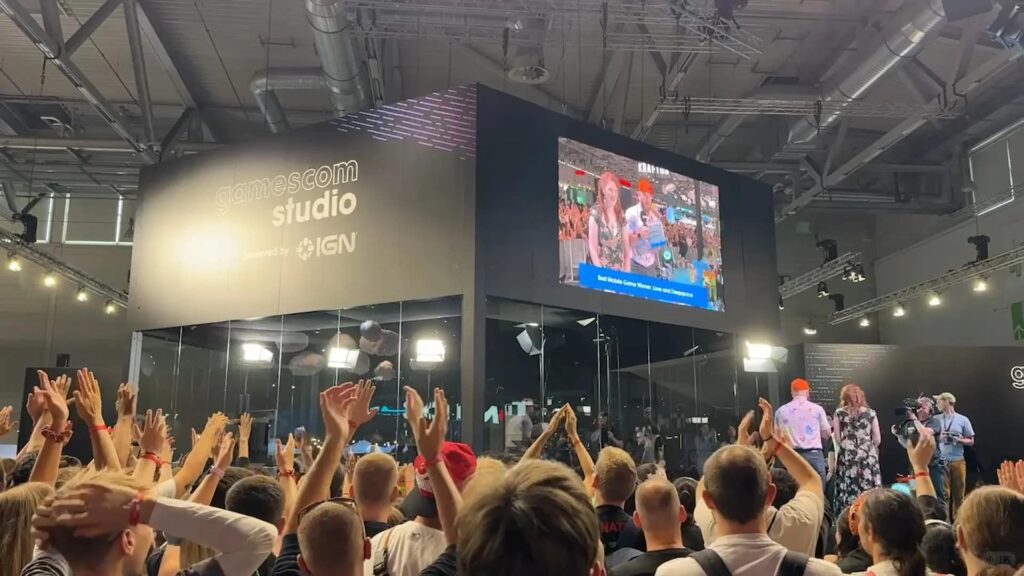
Think about it. Big titles like Mobile Legends: Bang Bang or Genshin Impact usually hog the spotlight with tournaments, flashy sponsors, and streamers shouting into mics. But in Gamescom, it’s about creativity, innovation, booth presence, and community vote, and Love and Deepspace crushed it across the board. Esports games wow with skill, but Love and Deepspace pulled people in with intimacy, storytelling, and a community that showed up and voted hard.
And when you look at the numbers, the story becomes even clearer. Globally, about half of gamers are women, and nearly half of them pay for their games, not small spends either. When women connect with a game, they go all in. That’s why Love and Deepspace is already raking in around $500 to $650 million in lifetime revenue. Fans aren’t just buying skins to flex; they’re spending to unlock characters, deepen stories, and feel closer to the world. That emotional attachment translates to reliable, repeat spending.
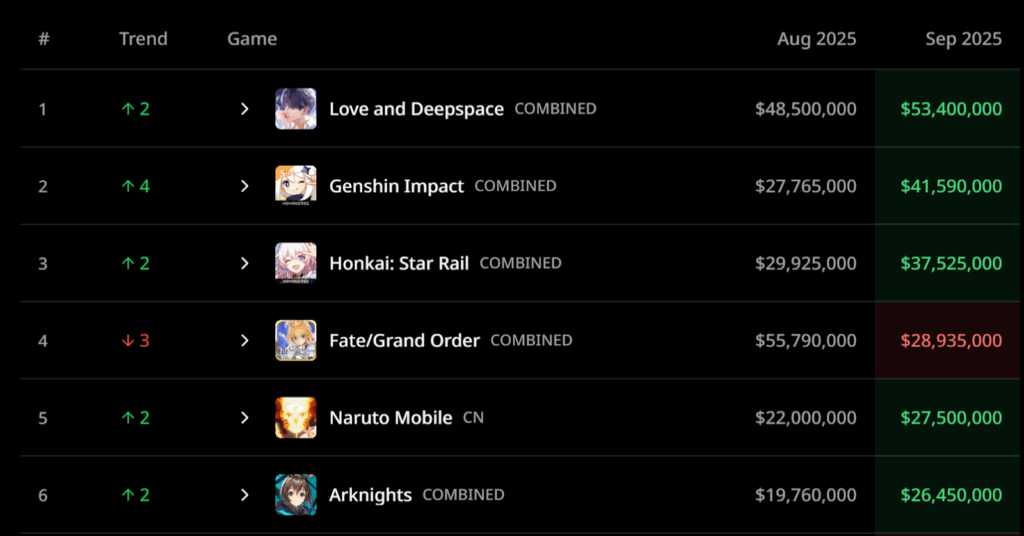
The numbers back this up even more. According to the Gacha Revenue Monthly Report, Love and Deepspace was the top-earning mobile game for both August and September 2025, generating $48.5 million and $53.4 million, respectively. That puts it ahead of global heavyweights like Genshin Impact, Honkai: Star Rail, and Fate/Grand Order. While other games rely on massive corporate ecosystems, Love and Deepspace continues to grow on the strength of its player base, largely driven by women who invest not just money, but emotion, into the game.
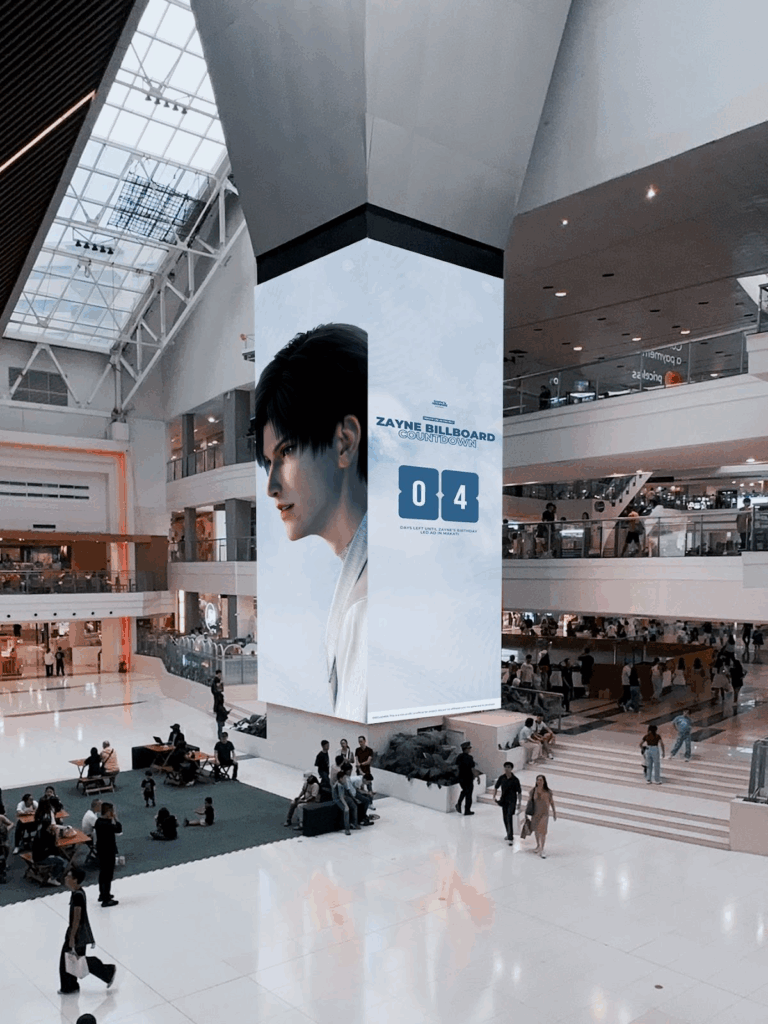
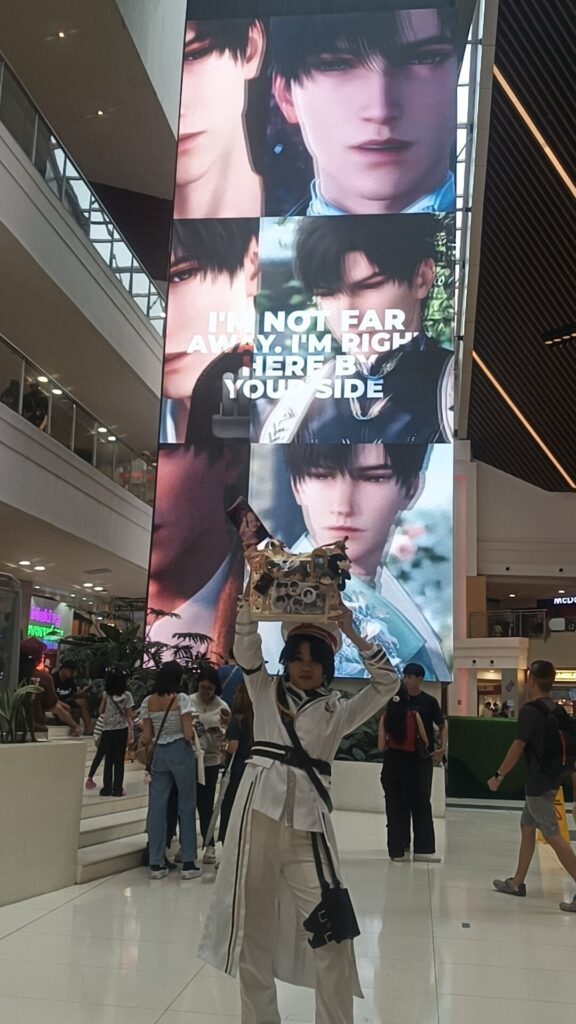
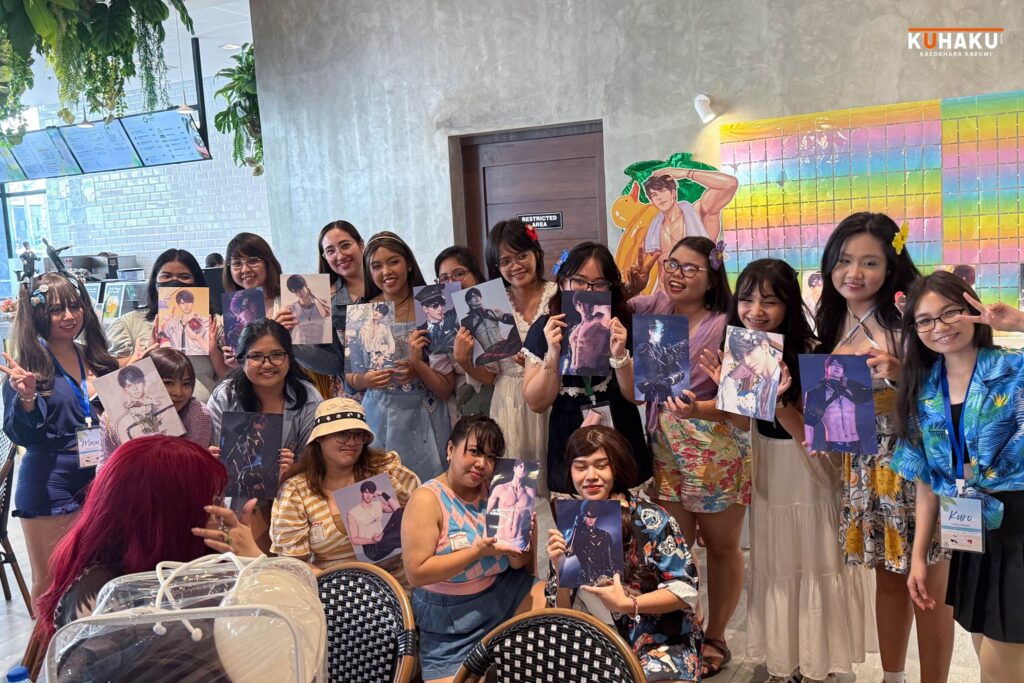
Pictured are fan-run birthday advertisements in Philippines’ malls, put up to pay homage to a beloved character.
The Business of Emotion
Unlike esports titles such as MLBB, which rely heavily on sponsorships and advertiser funding, Love and Deepspace thrives on direct, passionate player spending. It is built on emotional engagement and long-term loyalty. That’s a business model most companies dream of, and it’s women making it happen.

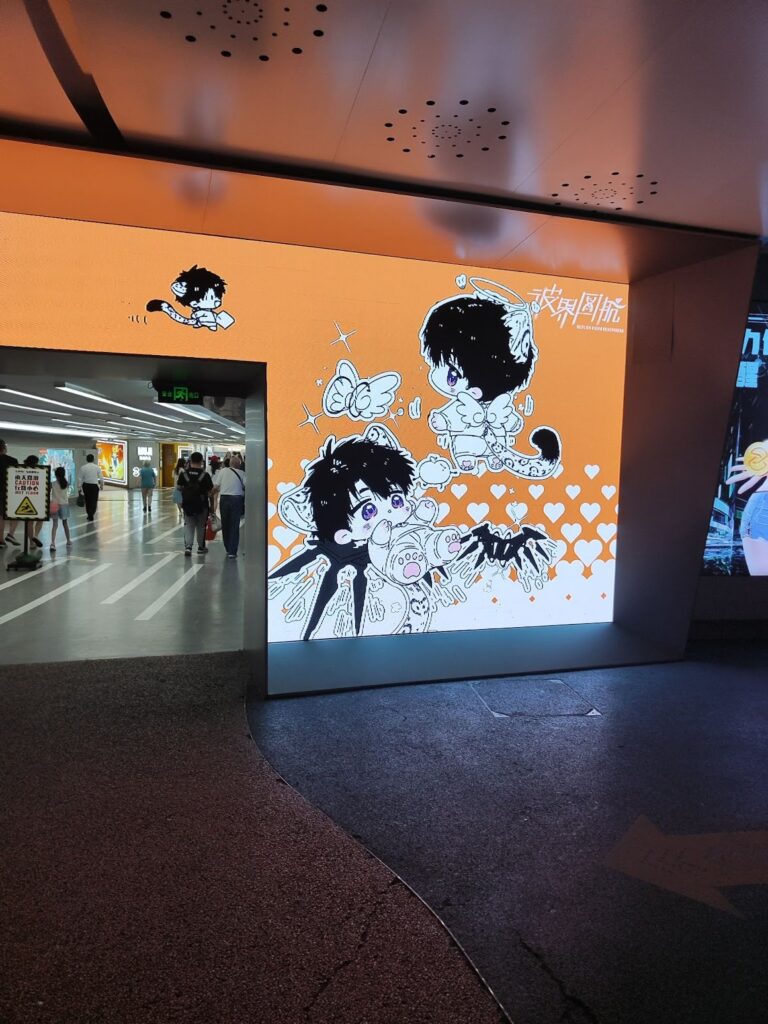
Pictured are fan-run birthday advertisements in Shanghai malls, put up to pay homage to a beloved character.
This shift shows a crucial truth: women’s emotional investment in games is a cultural and economic force. Publishers who overlook it aren’t just missing an audience; they’re missing one of the most profitable markets in the industry.
Southeast Asia’s Rising Influence
Now let’s zoom out to Southeast Asia, one of the fastest-growing gaming regions in the world. In Q1 2025 alone, SEA hit 1.93 billion mobile game installs, the second highest globally. Indonesia topped downloads with around 870 million, followed by the Philippines at 366 million and Vietnam at 329 million. Players also spent an estimated $625 million in just three months, led by Thailand, Indonesia, and Malaysia.
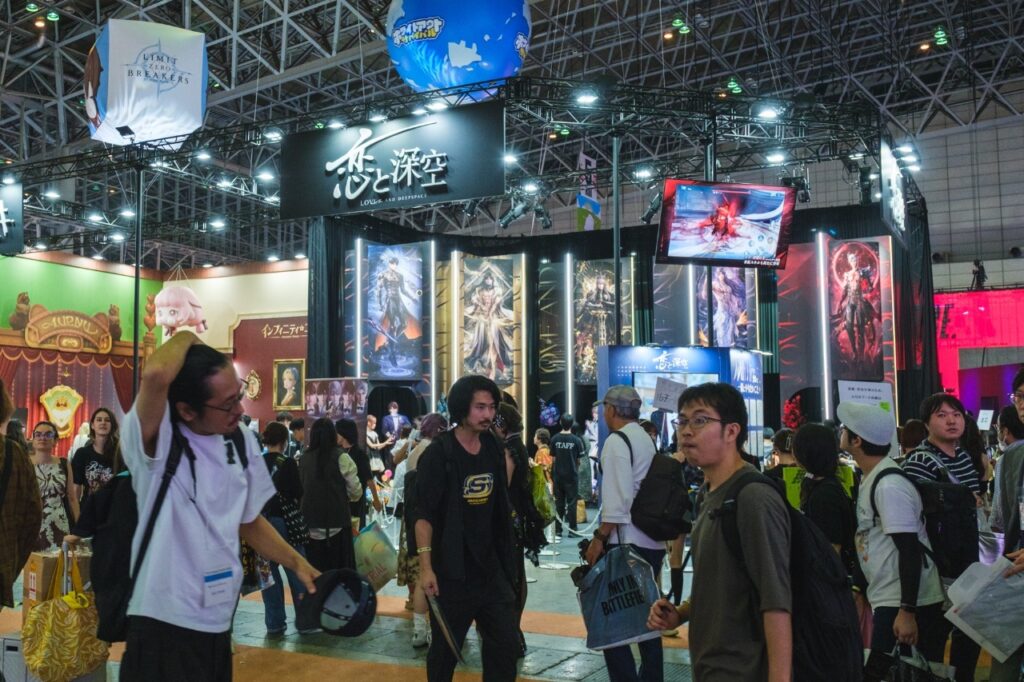
Engagement is soaring too—time spent gaming in SEA jumped 53% in 2024, a huge rebound after 2023’s slump. At Tokyo Game Show 2025, the Love and Deepspace booth became a standout example of how much this region contributes to global gaming culture.
Social media amplifies this growth. About 62% of SEA gamers discover new games through social platforms, and countries like the Philippines, Indonesia, Vietnam, and Thailand rank among the most active online communities worldwide. Female gamers are leading this wave, with 30% of women making in-game purchases compared to 22% of men, a sign of both spending power and deep engagement.
Filipinas Redefining the Game
Zoom in further to the Philippines, and you’ll see just how much women are shaping the industry. MLBB may dominate local tournaments, but Filipinas are driving a different kind of gaming culture, the one centered on community, creativity, and emotional connection.
Filipinos are the most active social media users on the planet, spending an average of three and a half hours online daily, and 96% of them play games. But Filipinas aren’t just scrolling or spectating. They’re running guilds, funding fandoms, organizing events, and proudly supporting the games they love.
Many young women professionals in cities now out-earn men in their twenties and early thirties, giving them greater financial freedom to spend on hobbies and fandoms. While the guys grind rank, women are building fandom economies around games like Love and Deepspace—and their influence is expanding fast.


The Market Everyone Keeps Overlooking
The gaming industry often shines its spotlight on esports and competitive play, but another audience is quietly driving massive growth. Women now make up nearly half of all gamers worldwide, and many of them are powering the success of story-driven and emotionally immersive titles. These players invest not only money but also time and creativity, turning fandoms into vibrant communities that extend far beyond the games themselves.
Their influence is visible everywhere, from fan-organized events to sustained in-game spending, and it is reshaping how games are marketed and monetized. For developers and publishers, the message is clear: growth lies in understanding the motivations of this passionate and engaged audience.
If the industry embraced this shift more openly, gaming could become even more diverse and dynamic. Imagine esports scenes that highlight both male and female players, casting desks that represent a wider range of voices, and marketing campaigns that reflect the real makeup of today’s gaming community. The demand exists, the spending power is proven, and the influence is undeniable. What is missing is recognition from those still holding on to outdated assumptions.
So when Love and Deepspace won Best Mobile Game at Gamescom 2025, it sent a message the industry could not ignore. The game’s success was not just a win for a genre built on romance and storytelling; it was proof that audiences once seen as niche are now defining what gaming’s next era will look like.
If Gamescom proved anything this year, it is that the future of gaming is about connection as much as competition. Players who seek meaning, creativity, and emotional depth are shaping entire genres and business models. The smartest studios are already paying attention, and those that do will lead the next chapter of gaming’s evolution.